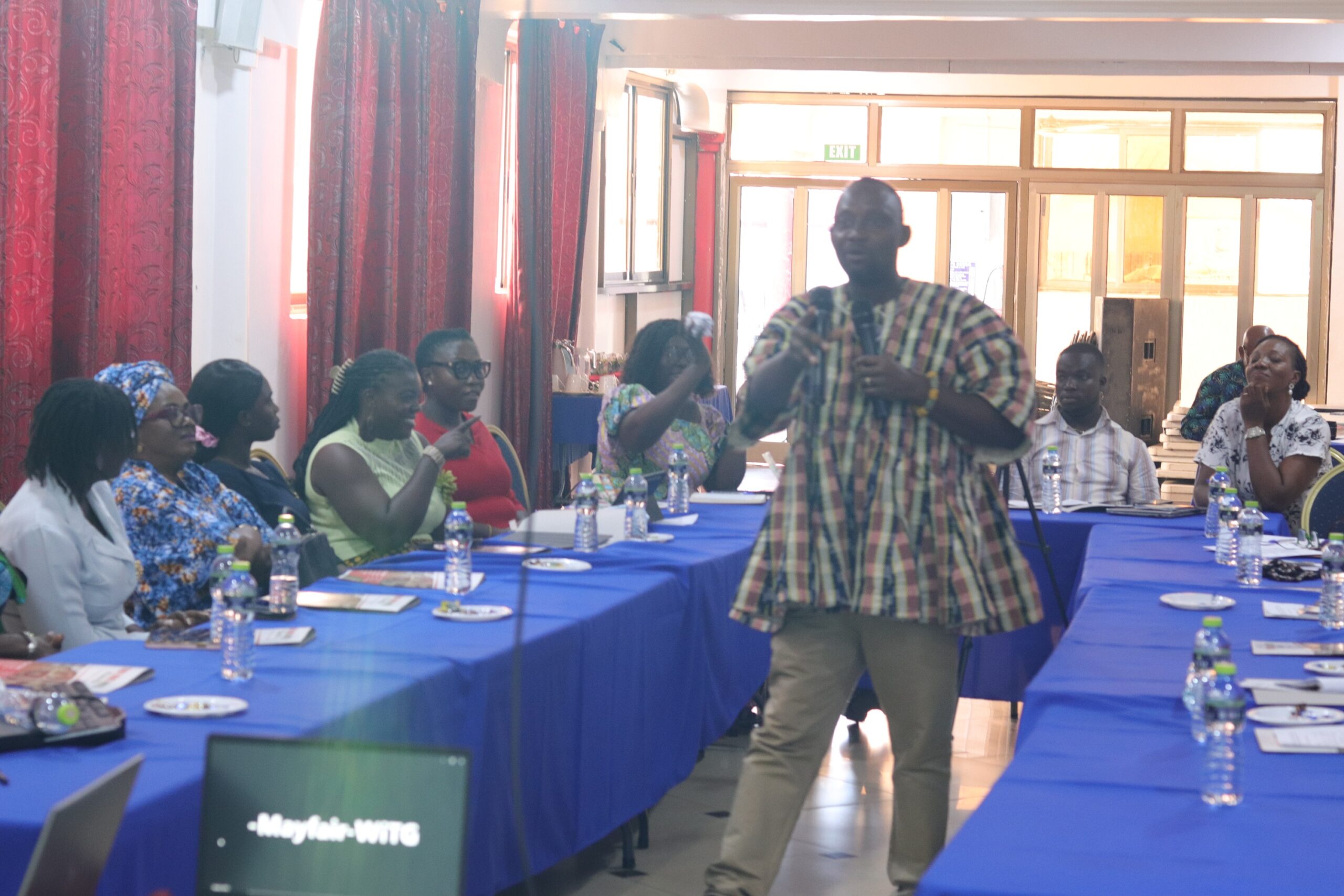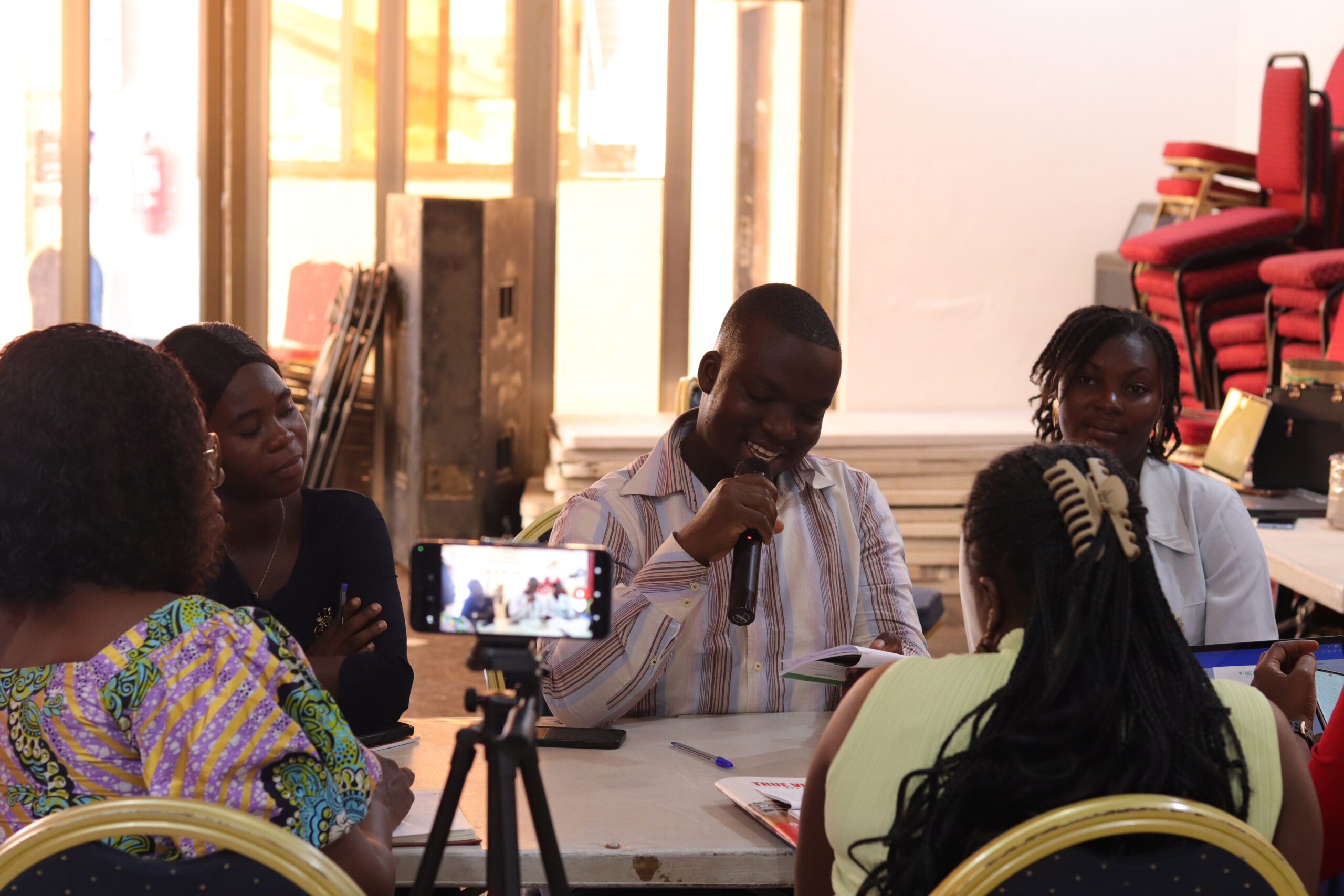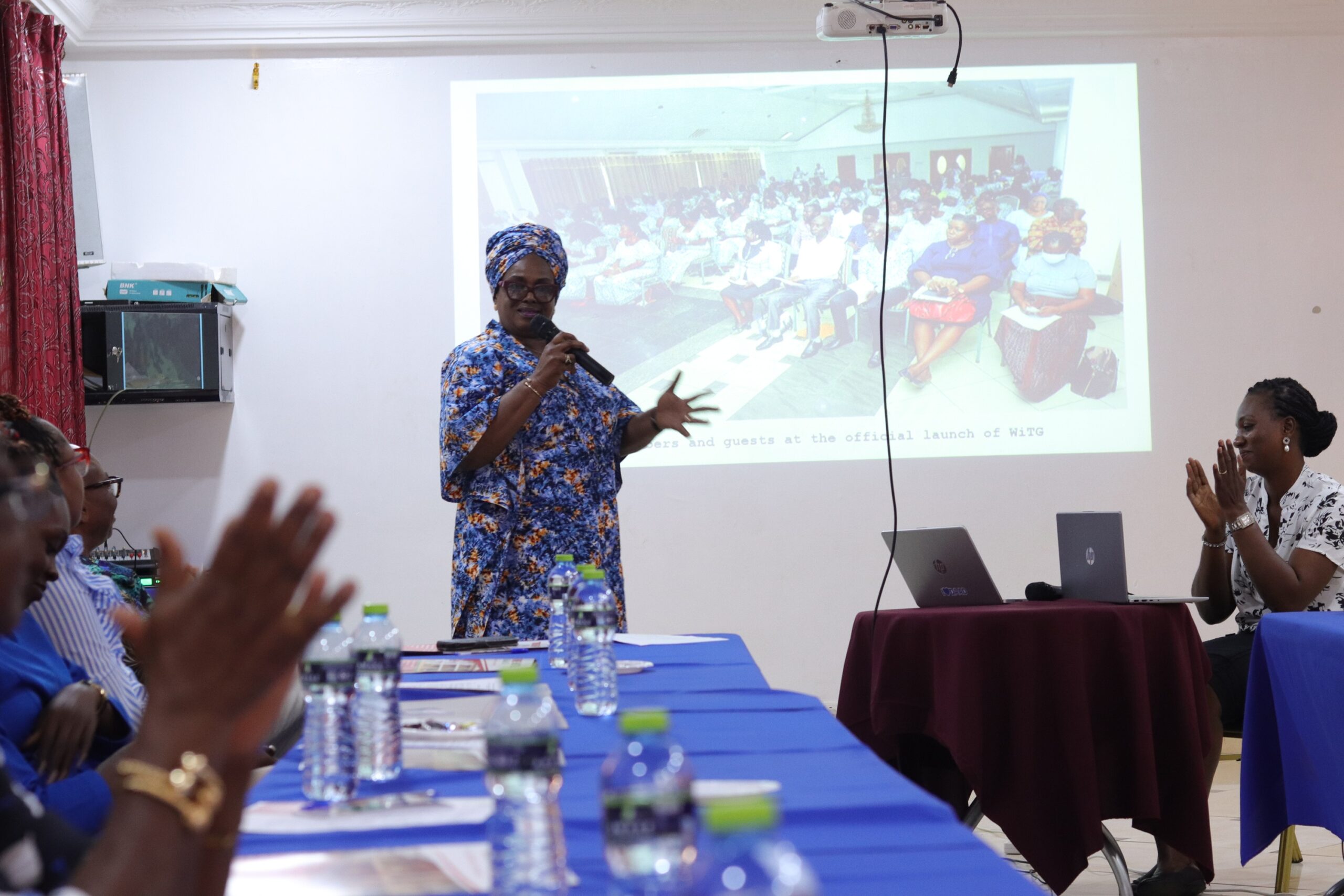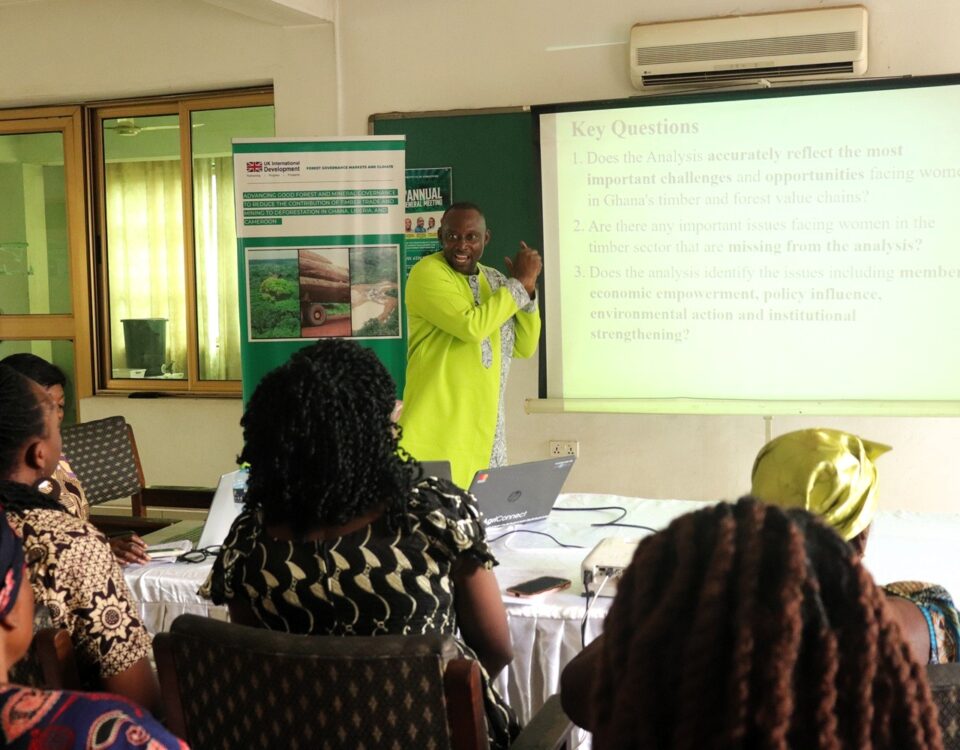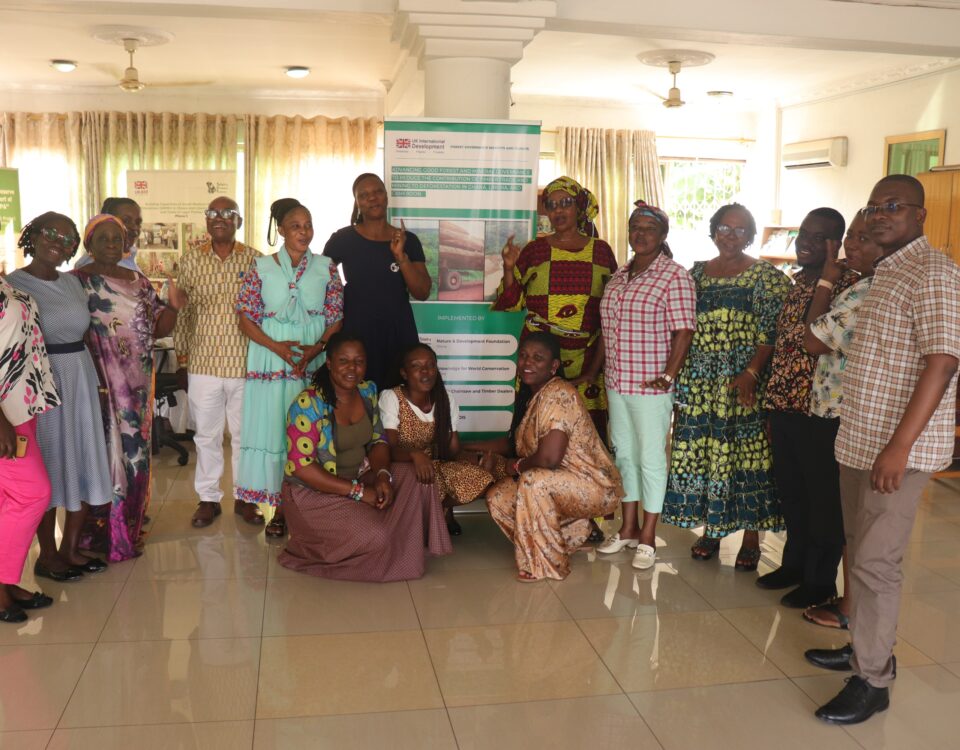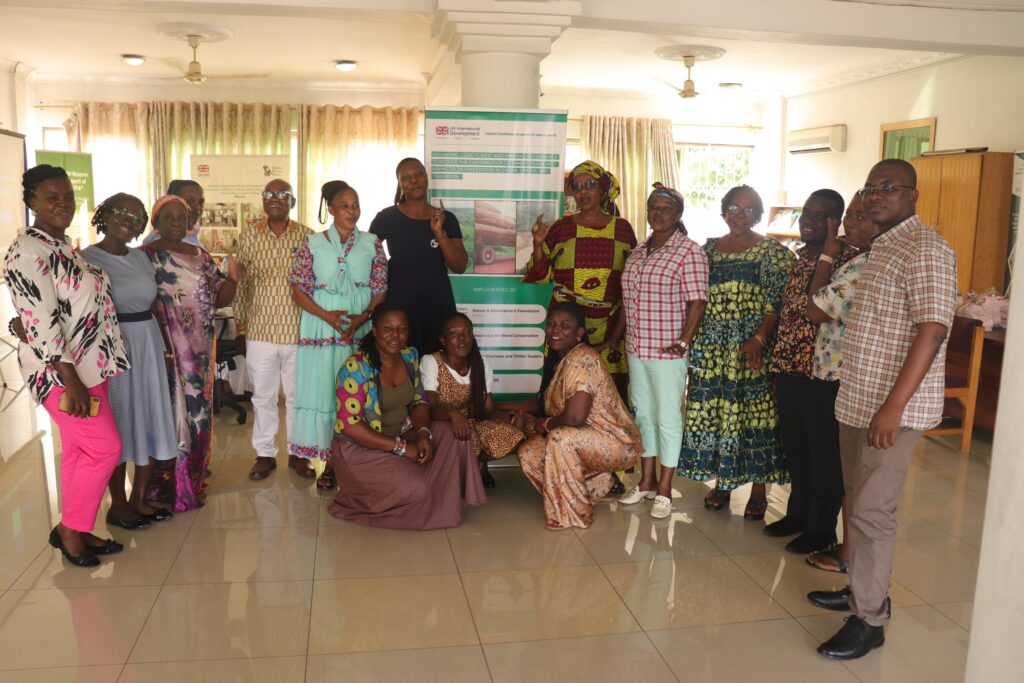
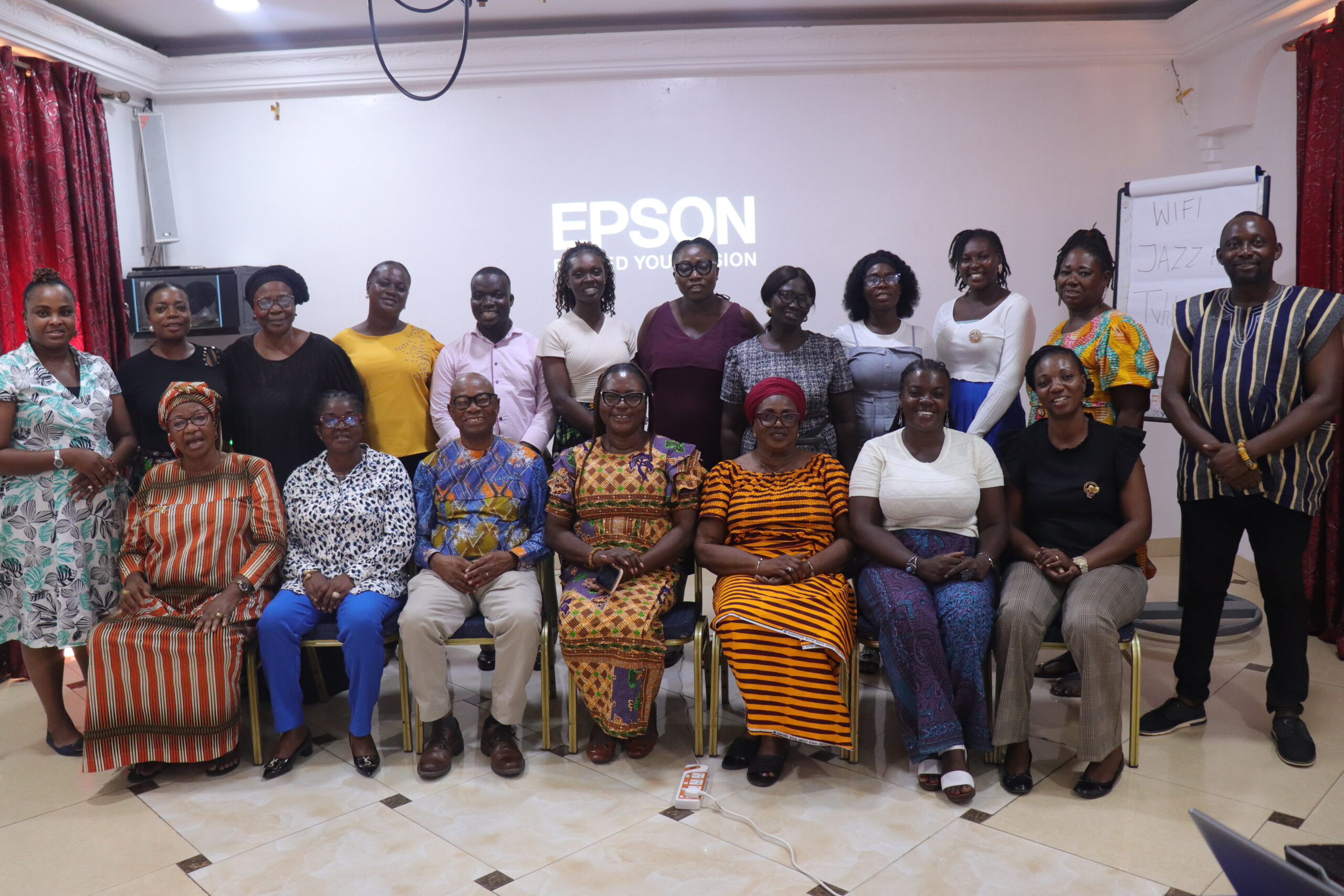
The Women in Timber Ghana Association (WiTG) has taken a significant step toward strengthening its institutional direction with the successful convening of a one-day consultative brainstorming meeting to inform the development of its five-year Strategic Plan. The session, facilitated by Knowledge for World Conservation (KWC), forms part of a broader regional initiative aimed at advancing good forest and mineral governance to reduce the contribution of timber trade and mining to deforestation in Ghana, Liberia, and Cameroon.
Held with the participation of WiTG executives, secretariat staff, cluster and zonal leaders, and selected stakeholders, the meeting provided a structured platform for reflection, dialogue, and strategic foresight. Twenty-five participants engaged in a highly participatory process designed to assess the Association’s progress, clarify its current position within Ghana’s forestry sector, and collectively define priorities for the next phase of institutional growth.
Since its establishment in 2022, WiTG has positioned itself as an emerging voice for women working within the timber value chain—a sector traditionally dominated by men. The consultative session offered an opportunity to take stock of achievements made so far while openly examining internal challenges and external pressures affecting the Association’s effectiveness and sustainability.
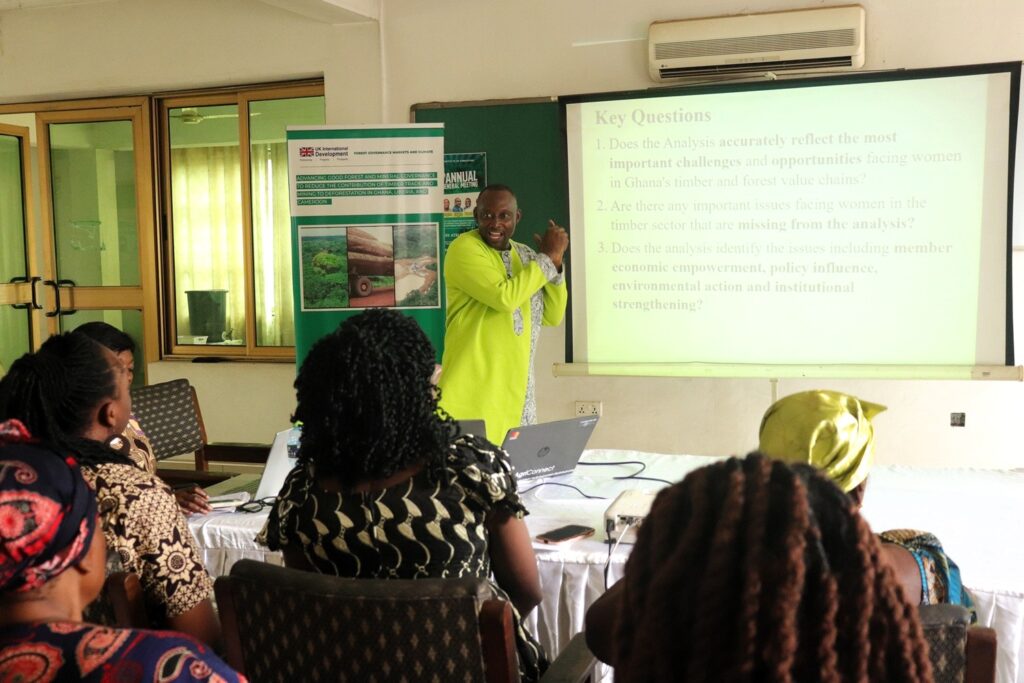
A key feature of the meeting was its participatory design. Through group discussions, plenary sessions, and structured facilitation tools, participants engaged in institutional reflection and forward-looking analysis. Discussions explored the Association’s strengths, including its identity as a women-led organisation and growing internal cohesion among members. At the same time, participants acknowledged operational constraints such as limited technical capacity, uneven member participation, and resource limitations at the secretariat level.
The session also provided space for deeper strategic thinking about the broader environment in which WiTG operates. Participants reflected on evolving regulatory frameworks in the forestry sector, increasing global attention to legal and sustainable timber trade, and the implications of climate-related policies such as FLEGT and EUDR for actors within the timber value chain. These external dynamics reinforced the need for WiTG to strengthen its institutional resilience and position itself more strategically within national and international forest governance conversations.
A visioning exercise enabled participants to articulate their collective aspirations for the Association over the next five years. There was a strong consensus around the need for WiTG to evolve into a more influential and structured platform that advances women’s leadership in forest governance, supports sustainable livelihoods, and contributes meaningfully to responsible timber trade and climate action in Ghana.
Participants further engaged in developing an initial Theory of Change, outlining pathways through which the Association seeks to achieve long-term impact. Priority areas emerging from the discussions included strengthening women’s leadership and representation in forestry governance, promoting legal and responsible timber trade, enhancing climate change and restoration initiatives, supporting business development opportunities for members, and improving institutional systems and capacity.
The meeting also highlighted the importance of partnerships, sustainability, and accountability as central pillars for future growth. Participants emphasized the need to reduce overreliance on donor funding by strengthening internal resource mobilisation mechanisms and improving member commitment structures.
Speaking through the participatory process, members expressed optimism that the strategic planning exercise marks a turning point for WiTG. It represents not only a planning milestone but also a reaffirmation of the Association’s collective ambition to position women as key actors in Ghana’s forestry and timber sector.
As WiTG moves into the next phase of drafting its Strategic Plan, the outcomes of this consultative process will serve as a critical foundation for defining priorities, shaping interventions, and guiding implementation over the next five years. The process underscores a growing recognition that inclusive governance and structured planning are essential for building resilient institutions capable of driving sustainable forest management and gender equity in the sector.