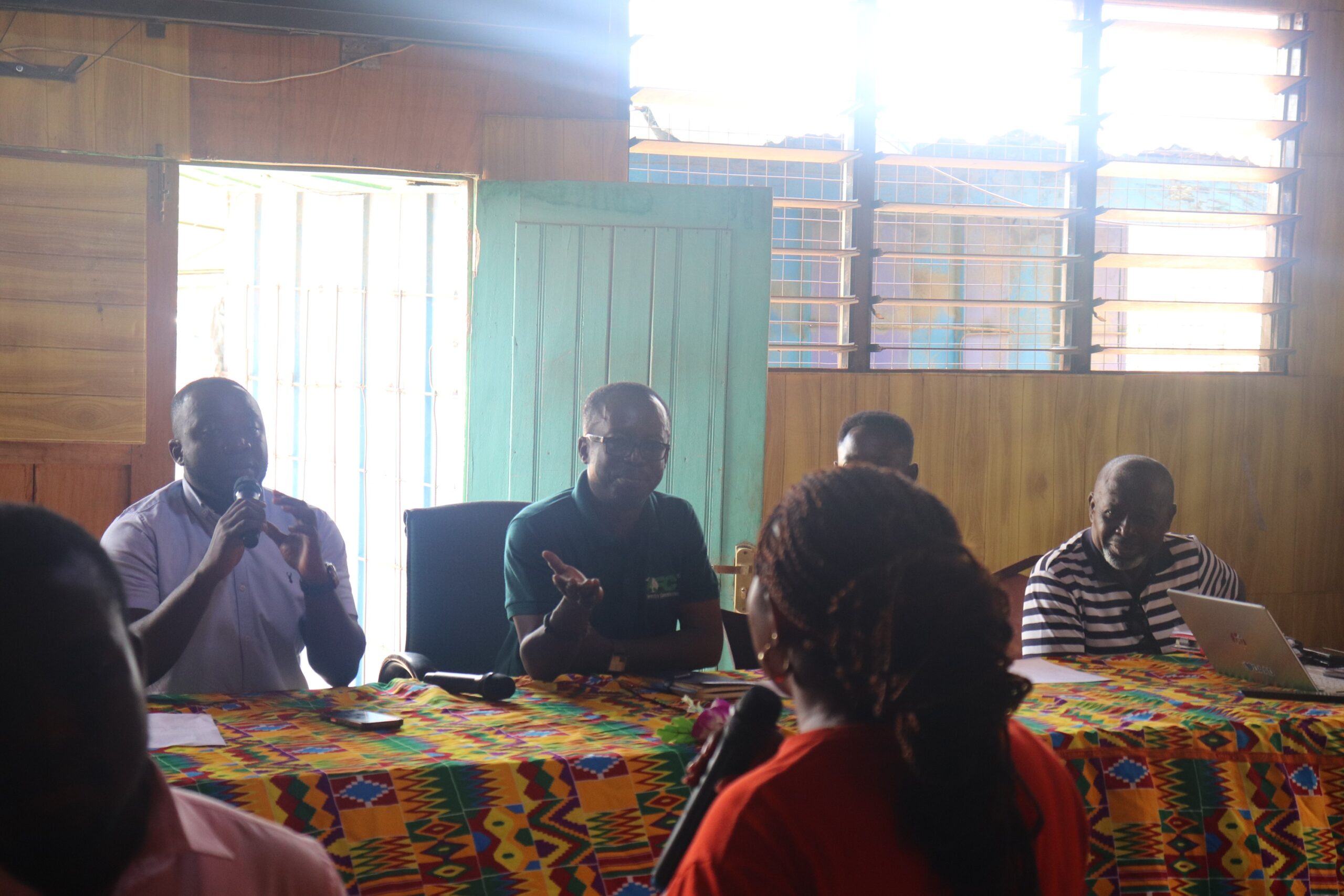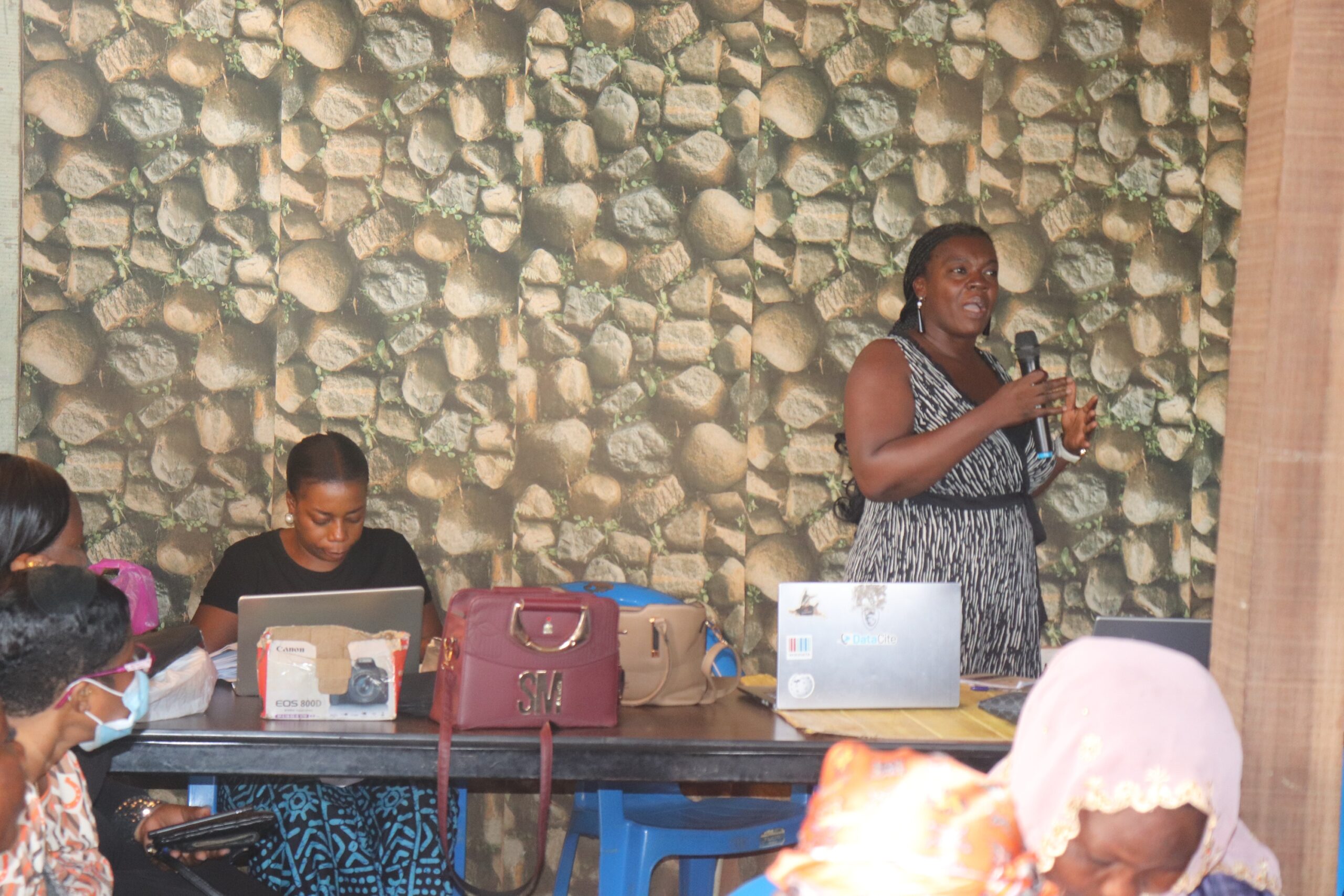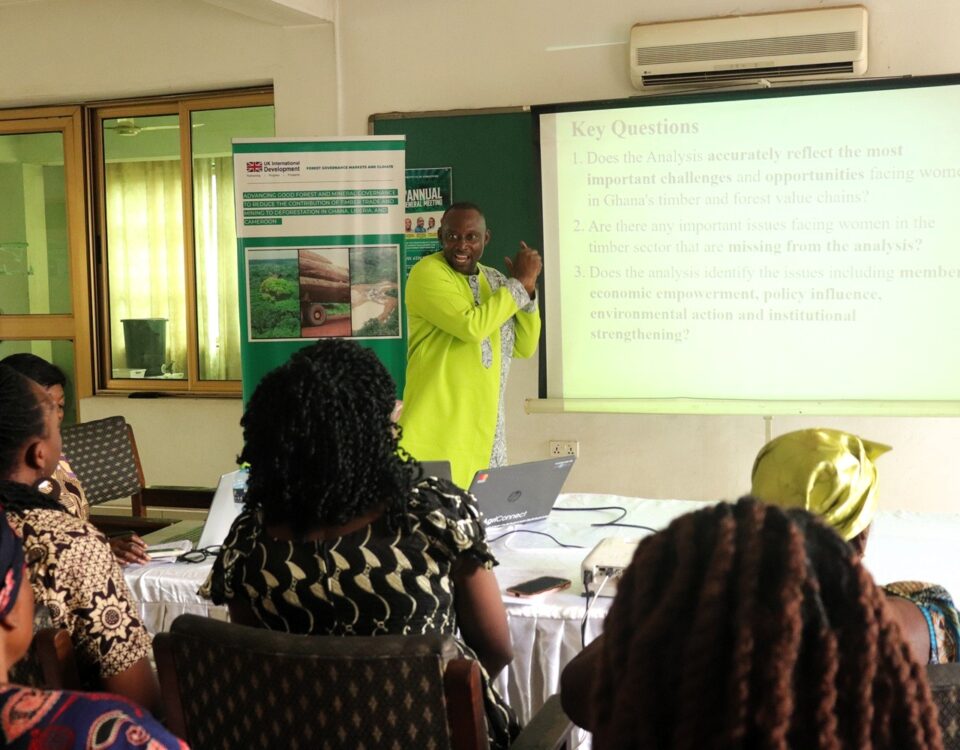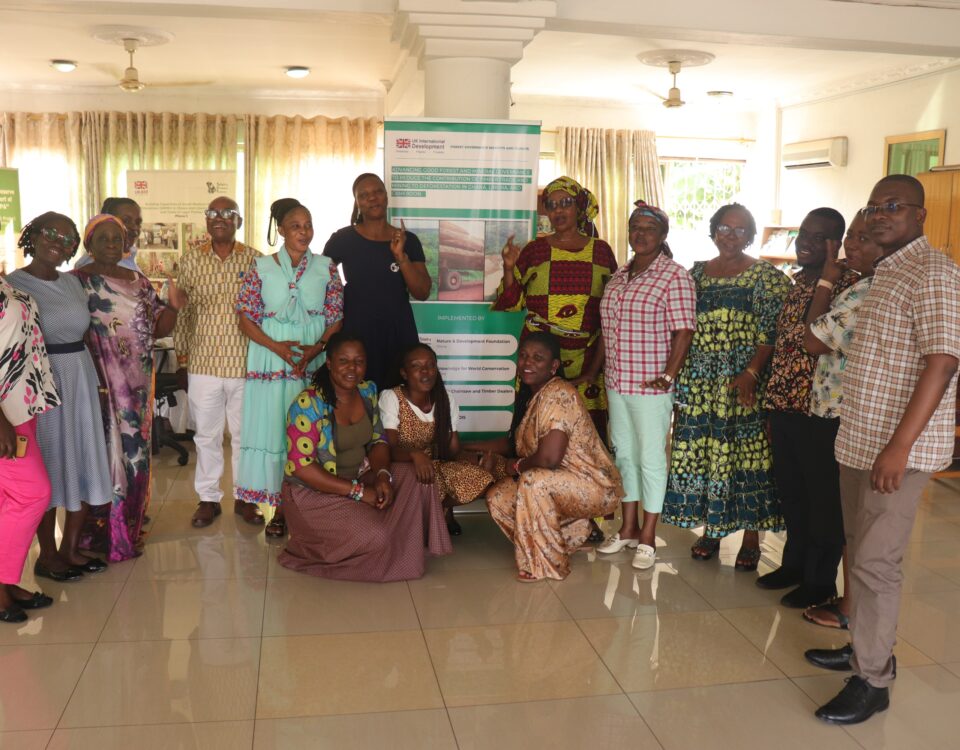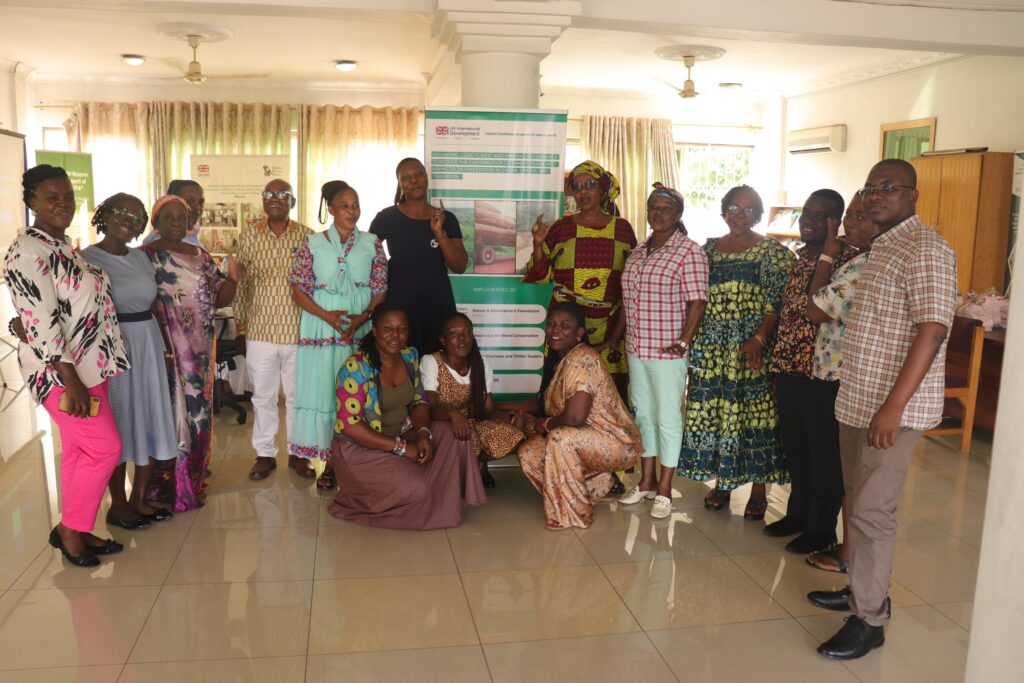
On 17 March 2026, Knowledge for World Conservation (KWC) convened an Open Policy Dialogue on Timber Legality and Forest Governance in Kumasi. The meeting formed part of the FGMC 2 project, titled “Advancing good forest governance to reduce the contribution of timber trade and mining to deforestation in Ghana, Liberia and Cameroon.”
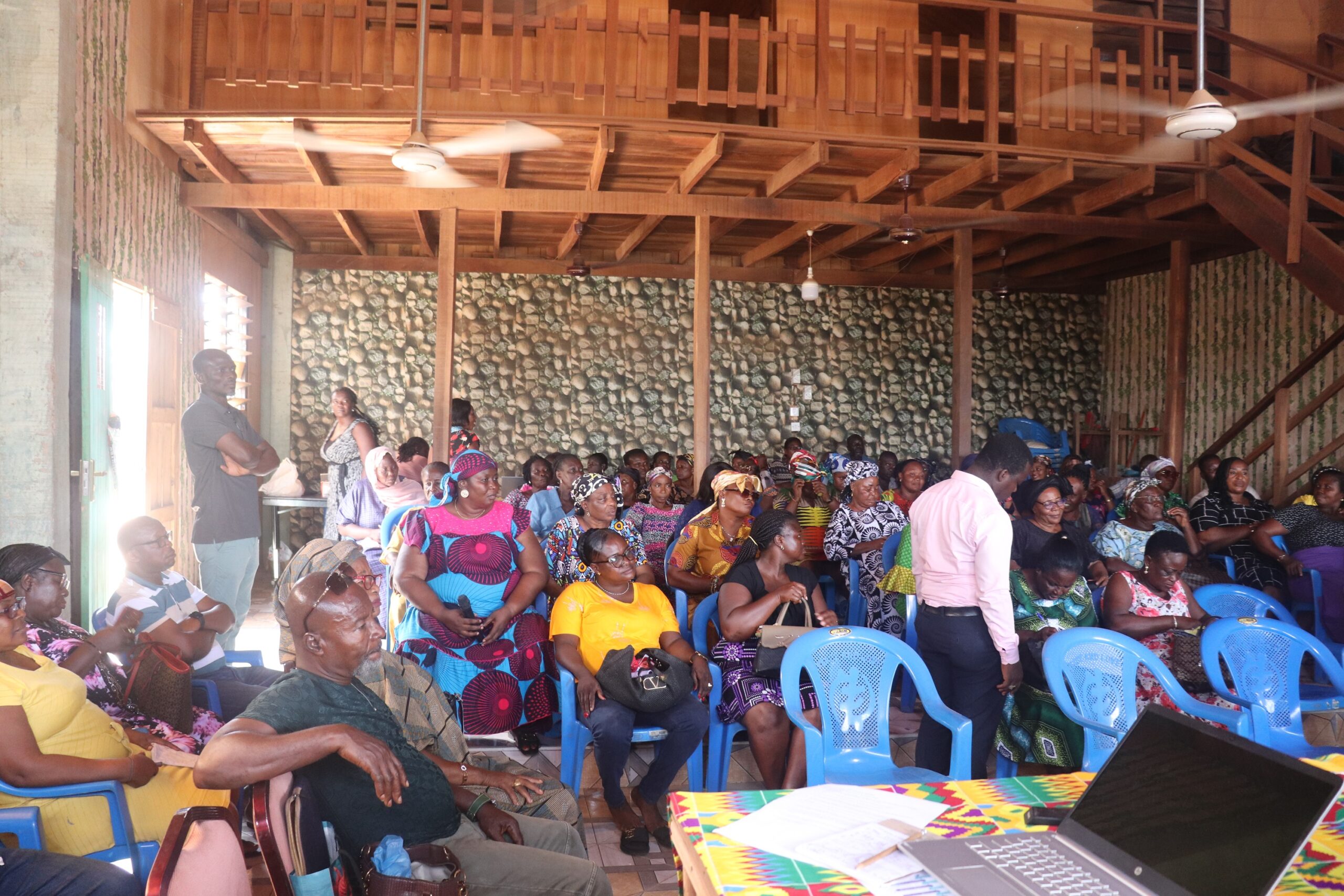
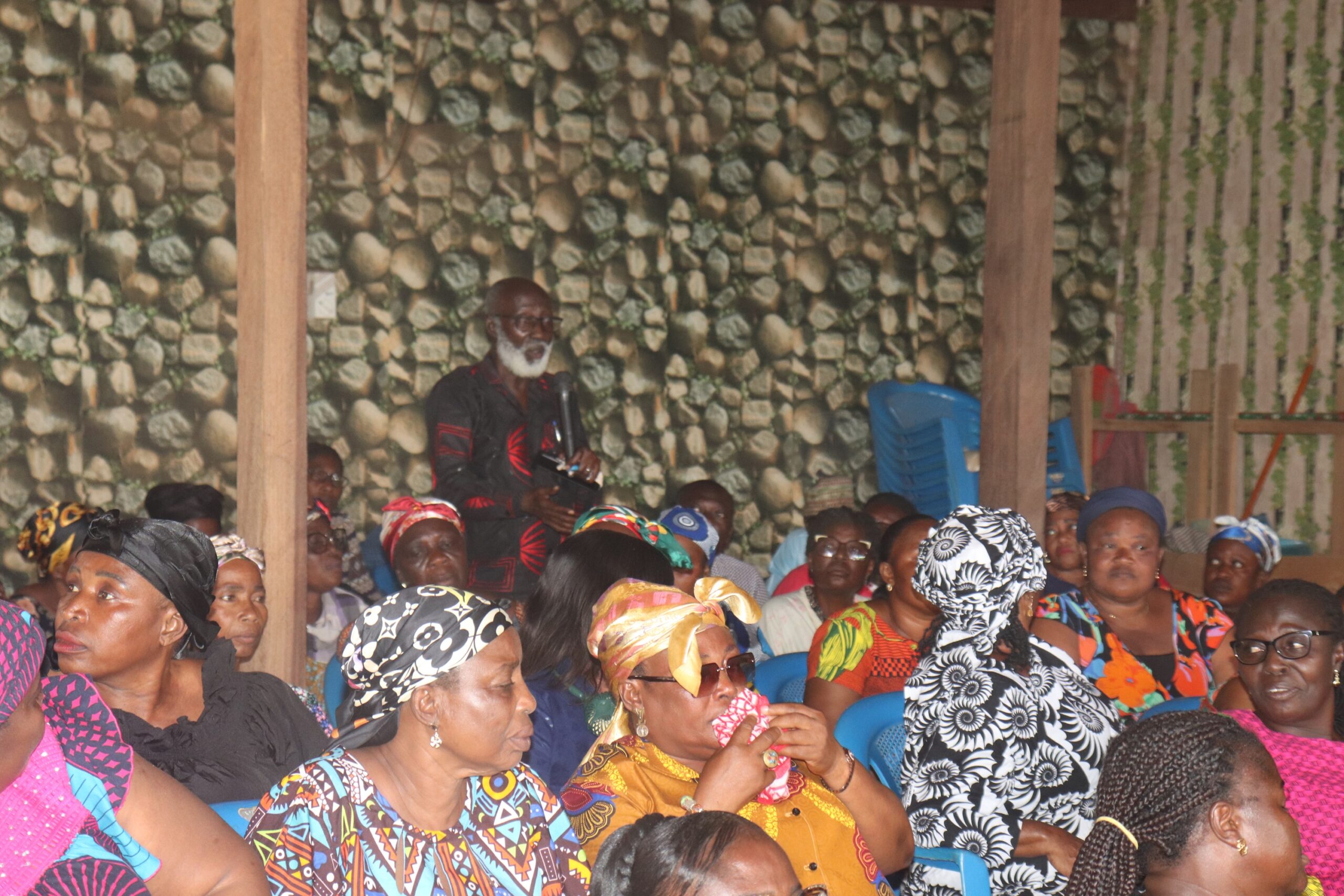
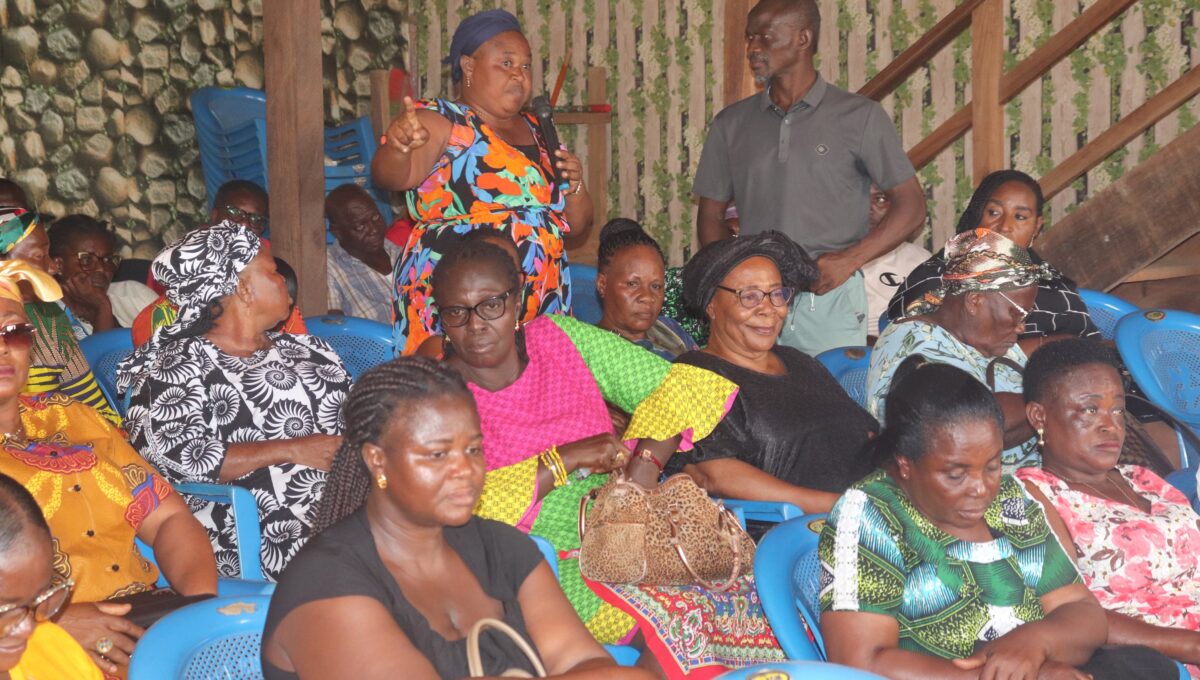
Held at the True Vine Hotel in the Ashanti Region, the dialogue brought together more than 100 participants drawn from across the domestic timber value chain. These included timber processors, lumber traders, loggers, millers, and secondary and tertiary wood processors. Regulatory institutions were also well represented, particularly the Forest Services Division (FSD) and the Timber Industry Development Division (TIDD) of the Forestry Commission of Ghana. The majority of participants were women, reflecting the important role of female actors in Ghana’s domestic timber economy.
The event created a rare but important space for direct engagement between regulators and industry actors. It allowed both sides to openly discuss operational challenges affecting compliance with timber legality requirements and the broader governance framework guiding the domestic timber sector.
A key issue raised during the dialogue was the difficulty many small-scale operators face in formalizing their businesses due to tax-related requirements. Participants explained that obtaining a Tax Clearance Certificate, a prerequisite for TIDD registration, often exposes operators to tax assessments they consider disproportionate to their earnings. This, they noted, discourages formal registration and pushes some operators back into informal trading systems.
Another major concern centered on inconsistencies in timber grading practices, particularly at roadside checkpoints. Operators reported disputes over the classification of offcuts and processed timber, which in some cases lead to seizures and penalties. These inconsistencies were described as a source of mistrust and operational uncertainty within the sector.
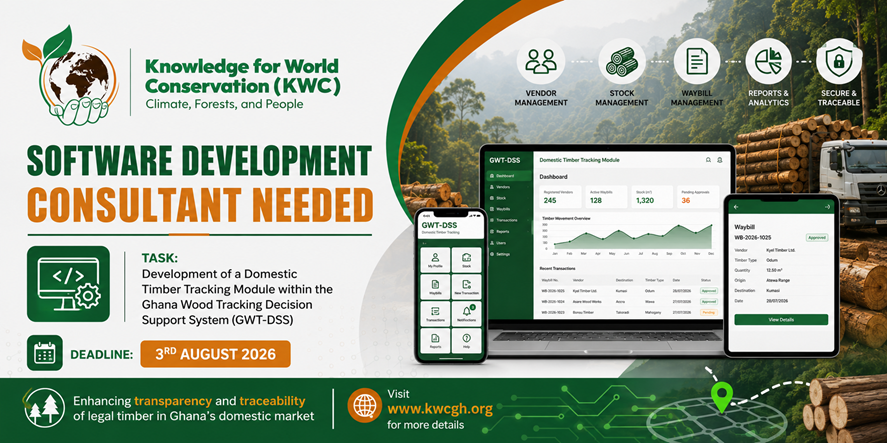
Participants also highlighted bottlenecks in licensing processes and the centralized nature of regulatory services. Many small-scale traders expressed difficulty in accessing TIDD offices for registration and renewals, calling for more decentralized and mobile service delivery systems. In addition, stakeholders emphasized the need for improved digital tools to track permits and receive renewal alerts.
Access to legal timber was another central theme of the discussion. The Forestry Commission used the platform to clarify approved sourcing pathways, including the Domestic Timber Tracking Network (DOTTNeT) and the Domestic Contract of Sale system. While these tools were recognized as important for improving traceability and reducing illegal logging, participants noted that awareness and understanding remain limited among many operators.
The dialogue also revealed the extent to which informal intermediaries dominate timber transactions, often limiting transparency in the supply chain. In response, stakeholders encouraged stronger cooperation between retailers and Timber Utilization Contract (TUC) holders, supported by trade associations, to improve direct access to legally sourced timber.
Across all discussions, a common message emerged: the need for simpler systems, clearer standards, and stronger collaboration between regulators and industry actors. Participants called for a more predictable tax regime for small and medium forest enterprises, standardized grading procedures, improved enforcement consistency, and regular stakeholder engagement platforms to sustain dialogue and build trust.
The KWC-led dialogue is part of ongoing efforts to strengthen inclusive forest governance systems in Ghana by bridging the gap between policy enforcement and ground-level realities.