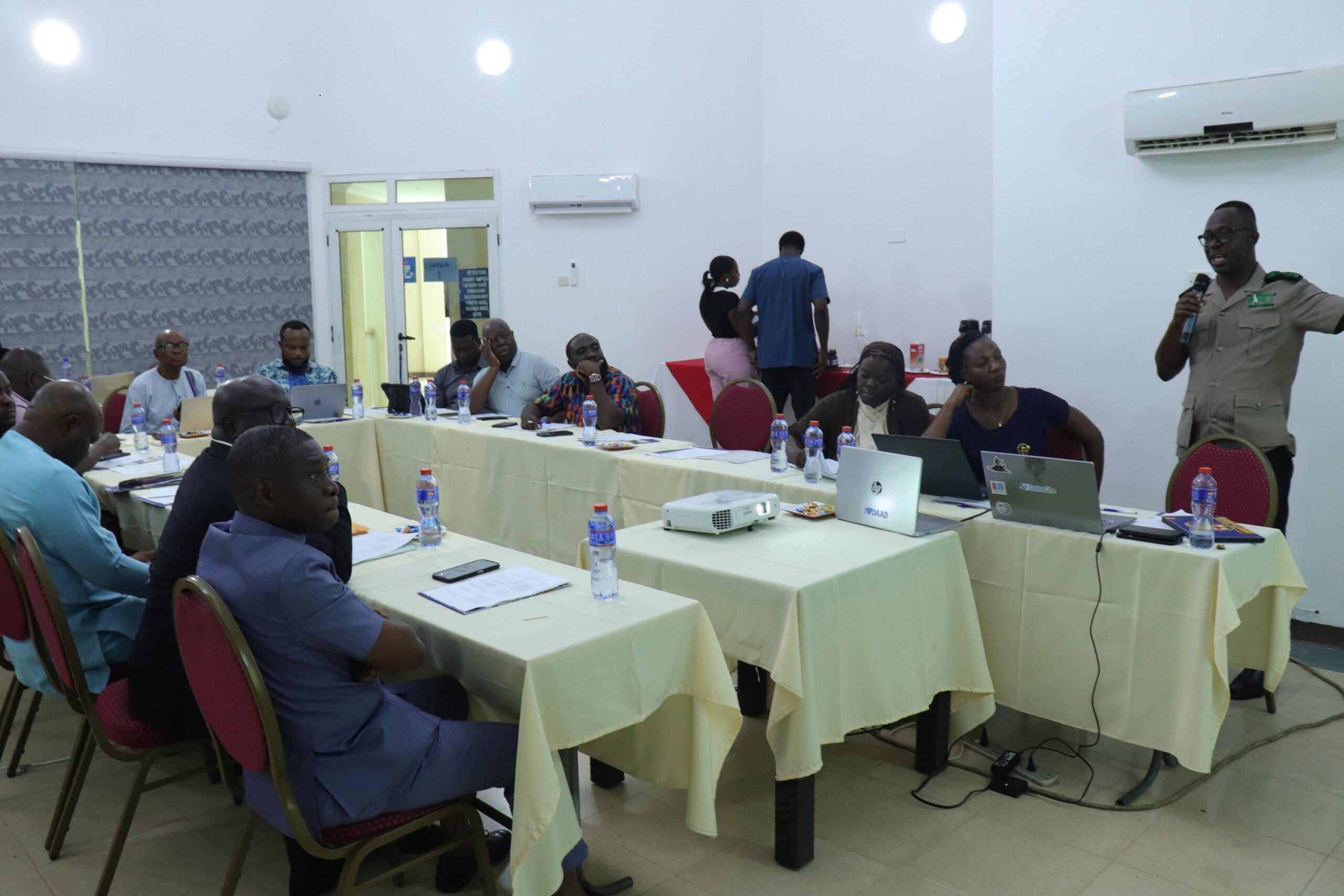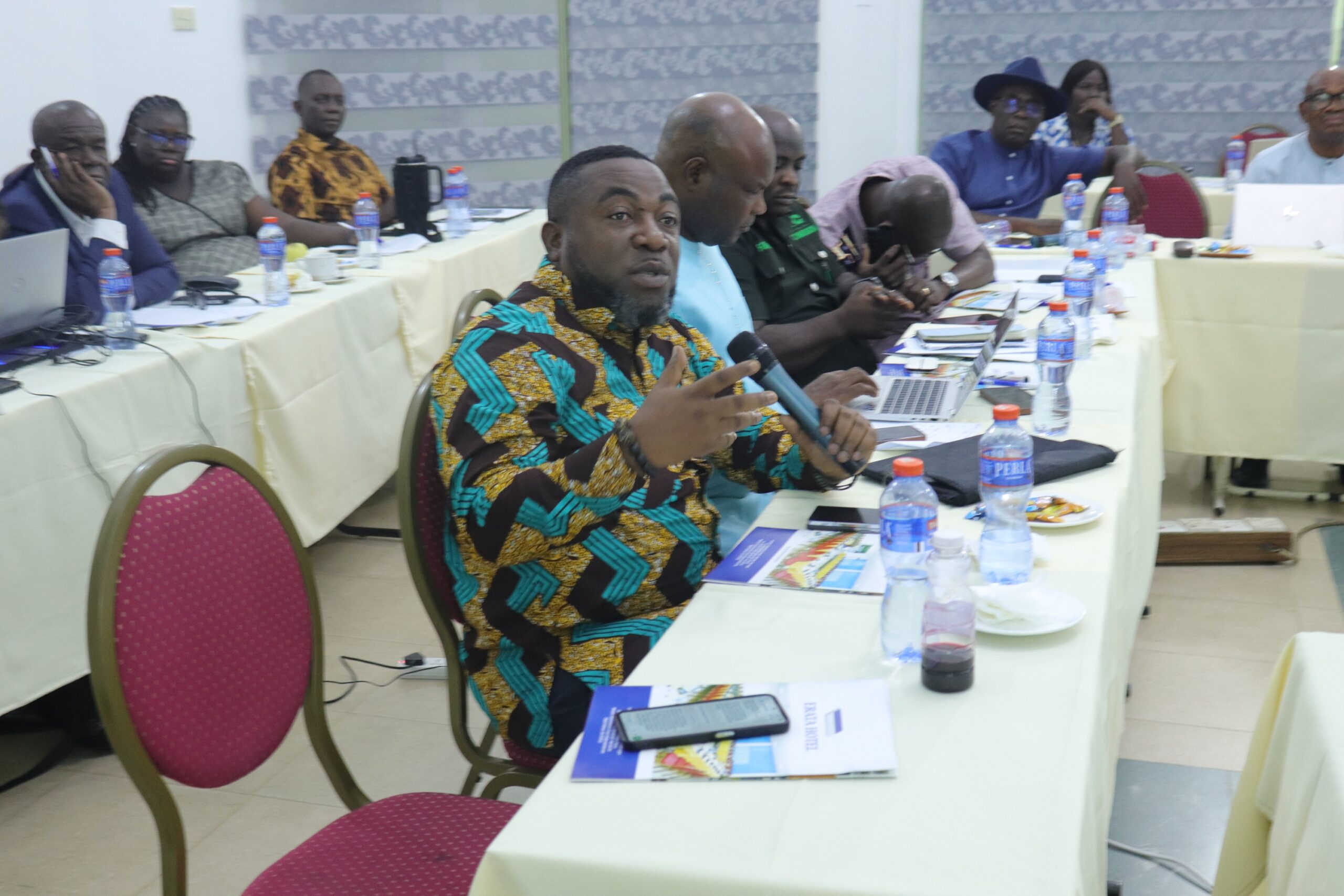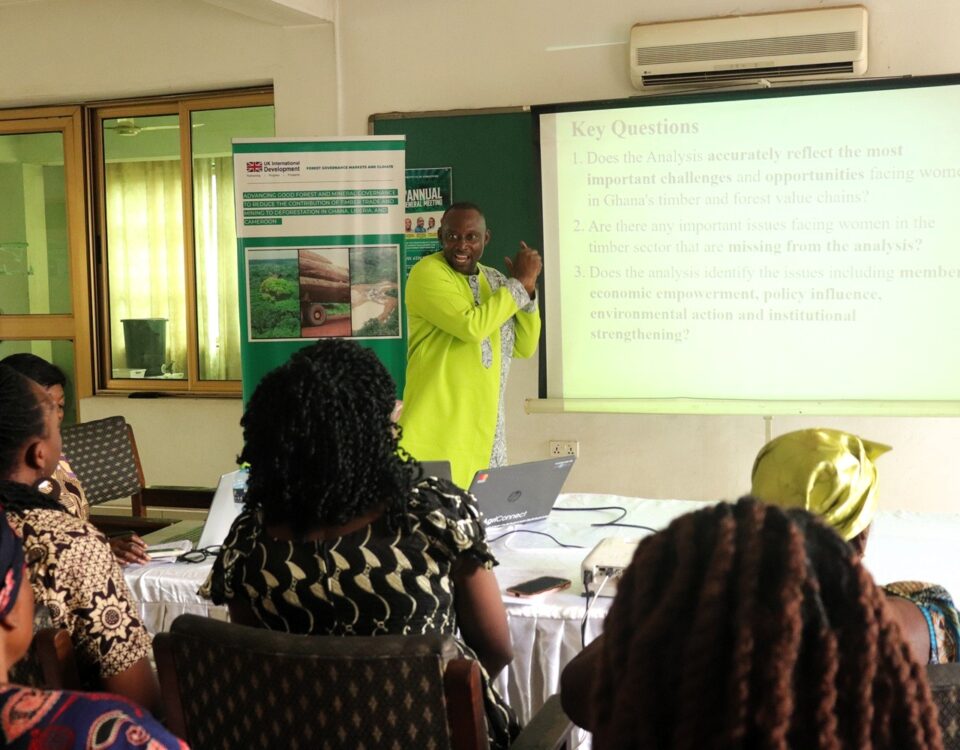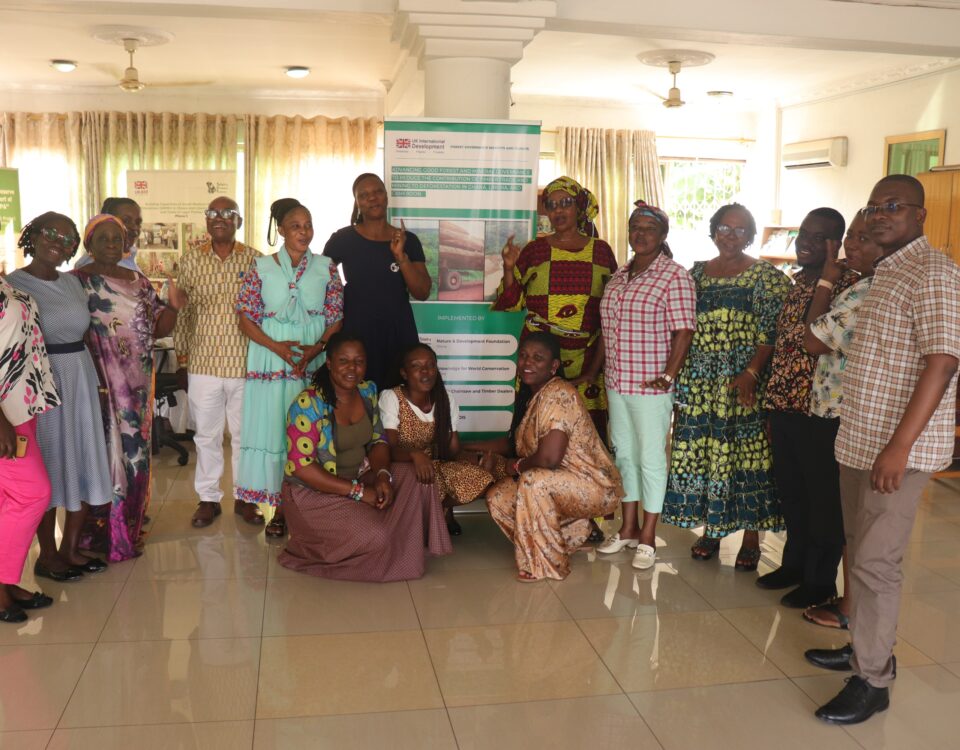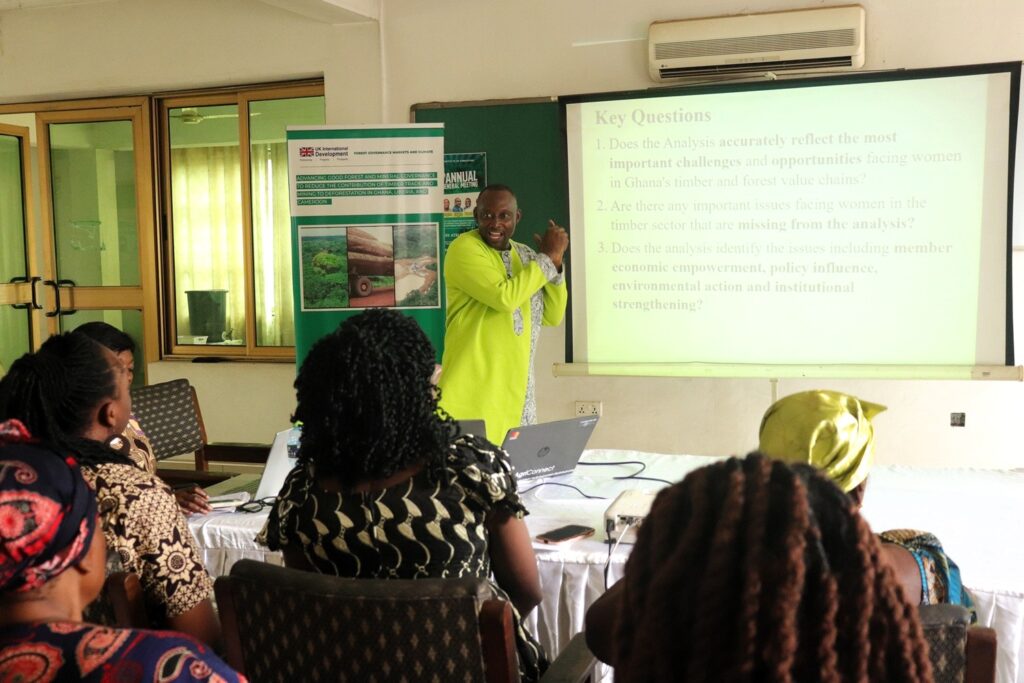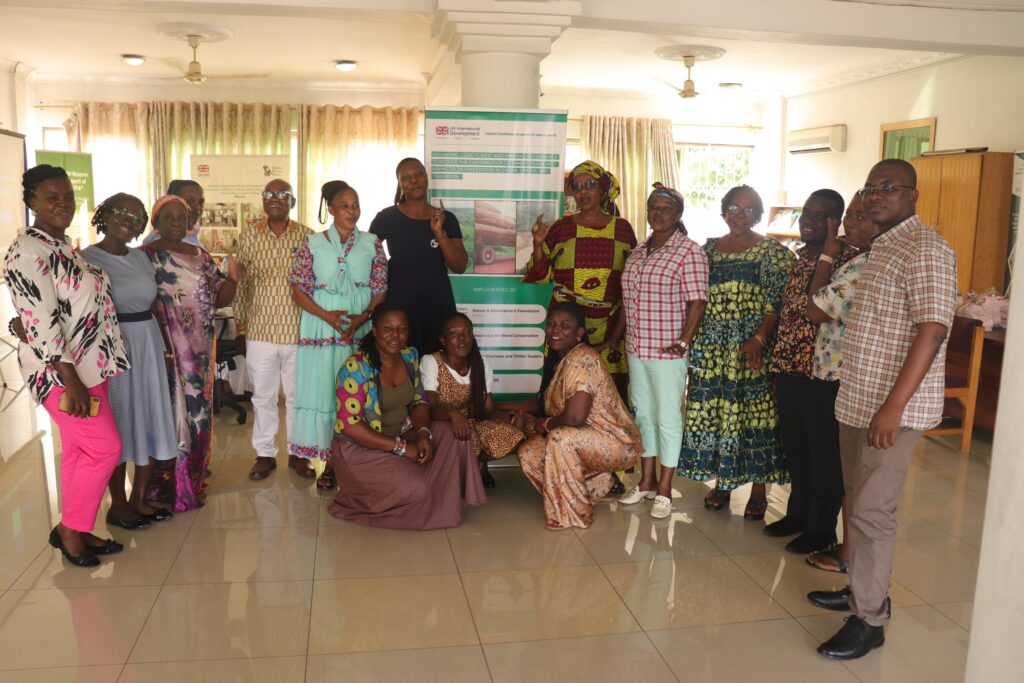
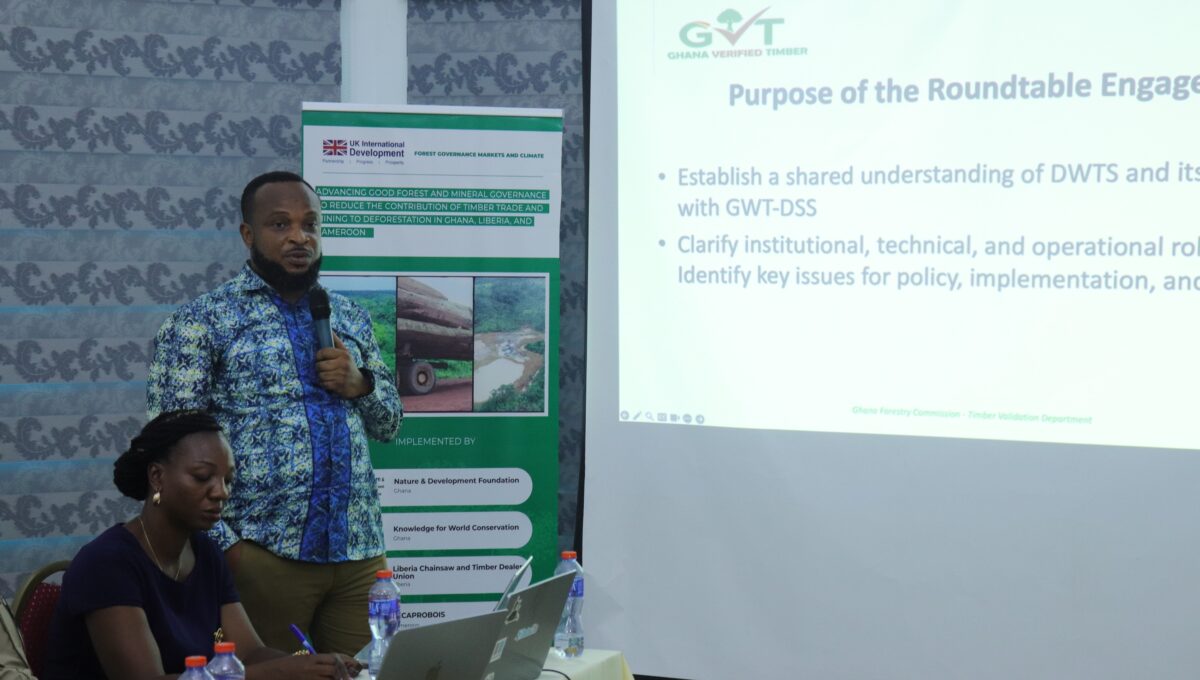
To strengthen timber traceability and improve governance of Ghana’s forest resources, Knowledge for World Conservation (KWC) convened a two-day stakeholder roundtable in Accra to explore the integration of the Domestic Wood Tracking System (DWTS) and the Ghana Wood Tracking and Decision Support System (GWT-DSS).
The meeting, held on 24–25 February 2026 at Erata Hotel, brought together representatives from the Forestry Commission, timber industry associations, and development partners under the Forest Governance, Markets and Climate (FGMC) Phase II project.
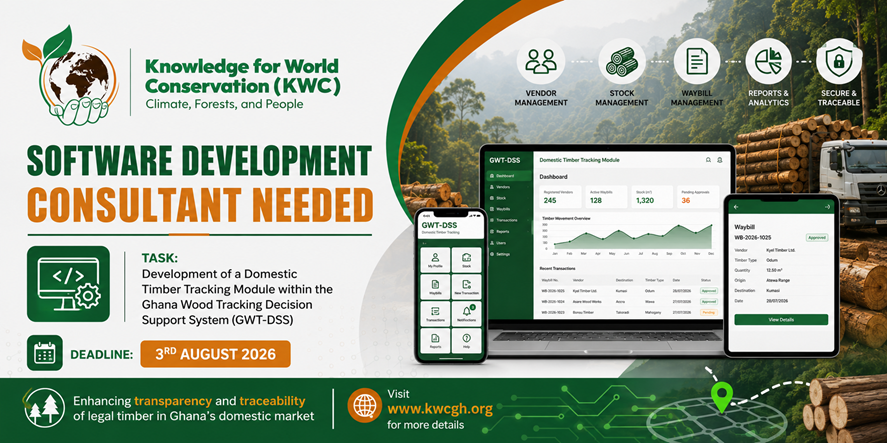
The roundtable formed part of ongoing efforts to address long-standing challenges in tracking timber flows within Ghana’s domestic market. While Ghana has made significant progress in strengthening export timber traceability through the GWT-DSS, domestic timber monitoring has remained weak, with gaps in documentation, enforcement, and digital adoption. The DWTS, developed in 2021 by KWC in collaboration with the Timber Industry Development Division (TIDD), was designed to close this gap by supporting real-time tracking of domestic timber movement and improving accountability along the value chain. However, limited institutional coordination, technical constraints, and low industry uptake have slowed its effective implementation.
The Accra meeting provided a platform to critically assess these challenges while identifying practical pathways for system improvement. Participants included key Forestry Commission divisions such as the Timber Industry Development Division (TIDD), Timber Validation Division (TVD), and the ICT Department, alongside major industry associations representing timber producers, vendors, and millers. Development partners from the Nature and Development Foundation (NDF), the lead consortium partner for FGMC Phase II project titled "Advancing Good Forest and Mineral Governance to Reduce the Contribution of Timber Trade and Mining to Deforestation in Ghana" , also participated in the discussions.
Throughout the two-day engagement, technical presentations and system demonstrations highlighted both the strengths and limitations of existing platforms. While the GWT-DSS was widely acknowledged as a functional and reliable system for export timber legality assurance, participants noted that the DWTS had not achieved its intended scale of adoption within the domestic sector. Industry stakeholders pointed to challenges such as poor network connectivity, low digital literacy among operators, reliance on informal intermediaries, and delays in processing regulatory documents. Institutional challenges, including unclear system ownership and limited coordination between Forestry Commission divisions, were also identified as key barriers.
Despite these challenges, there was strong consensus among participants that integrating DWTS functionalities within the broader GWT-DSS framework presents a viable and cost-effective solution. Such integration is expected to reduce duplication of systems, improve data consistency, and strengthen oversight of timber movement across both domestic and export markets. It also offers an opportunity to build on the proven success of the GWT-DSS to extend traceability benefits to the domestic sector.
The roundtable concluded with several important resolutions. Participants agreed that the DWTS should be enhanced and integrated within the GWT-DSS architecture, with the Industry Portal restructured into an Industry and Trade Portal to serve both producers and vendors. It was also agreed that system administration should be formally housed under the Timber Validation Division (TVD), with technical leadership provided by the ICT Department of the Forestry Commission. Additional measures include linking DOTIC numbers to waybills, adopting quantity-based timber accounting to accommodate low-literacy users, and strengthening industry compliance through mandatory registration of timber dealers.
To support implementation, a five-member Steering Committee will be established, comprising representatives from TVD, TIDD, the ICT Department, industry stakeholders, and the KWC project team. The committee will guide system enhancement, coordination, and rollout activities. Participants also emphasised the need for sensitisation, training, and early industry engagement to ensure successful adoption.
The outcomes of the roundtable mark a significant step toward a more integrated and transparent timber tracking system in Ghana. Aligning domestic and export traceability platforms will enable stakeholders to strengthen forest law enforcement, improve market confidence, and support sustainable forest governance under the FGMC Phase II programme.