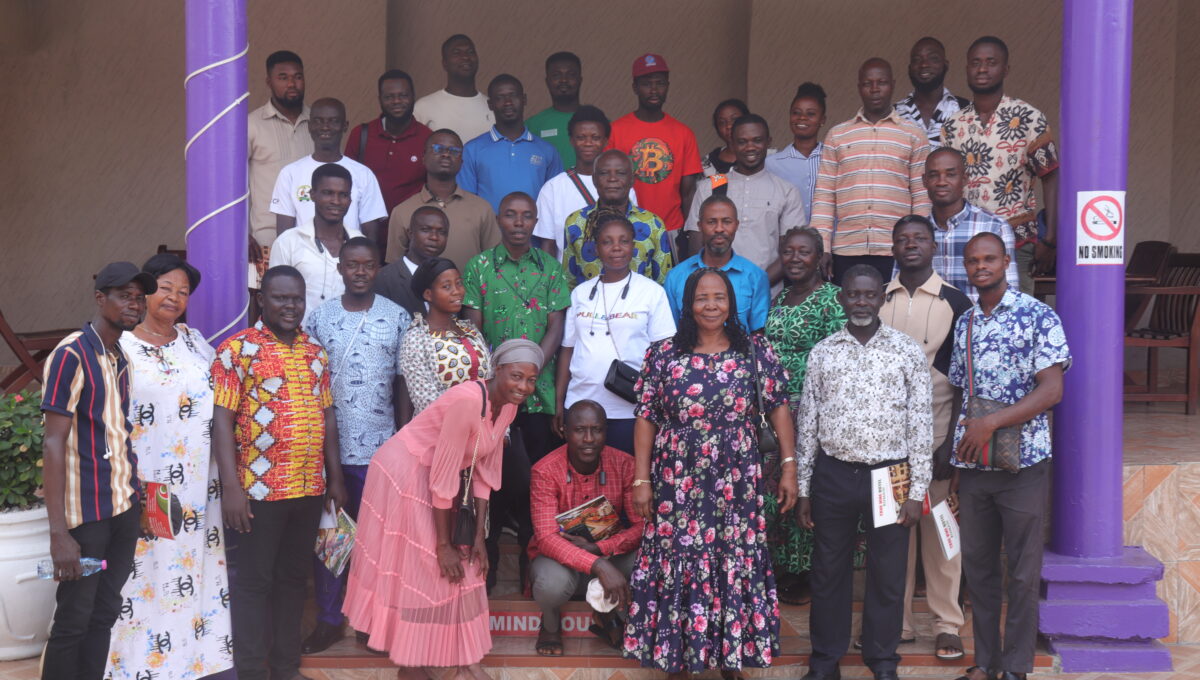
Do farmers and forest communities fully understand their rights and responsibilities over trees and forest resources in Ghana?
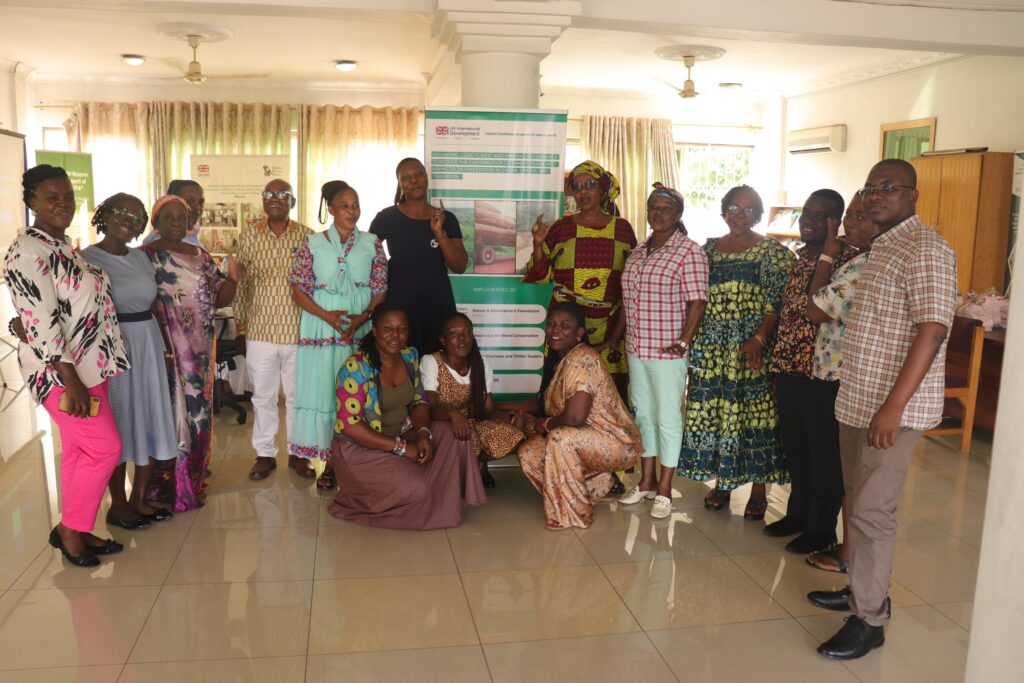
For many farmers and communities living near forests, the answer has often been unclear. Questions about who owns trees, who benefits from timber or carbon projects, and what responsibilities communities have in forest governance can be confusing. To address this gap, Knowledge for World Conservation (KWC) organized a one-day stakeholder training workshop on 12 March 2026 under the Restoration for Resilience and Recovery (3R) of Sustainable Agri-Food Systems Project, with support from partners of the Forest and Farm Facility programme, the Food and Agriculture Organization of the United Nations (FAO), the International Institute for Environment and Development (iied), and the International Union for Conservation of Nature (IUCN).
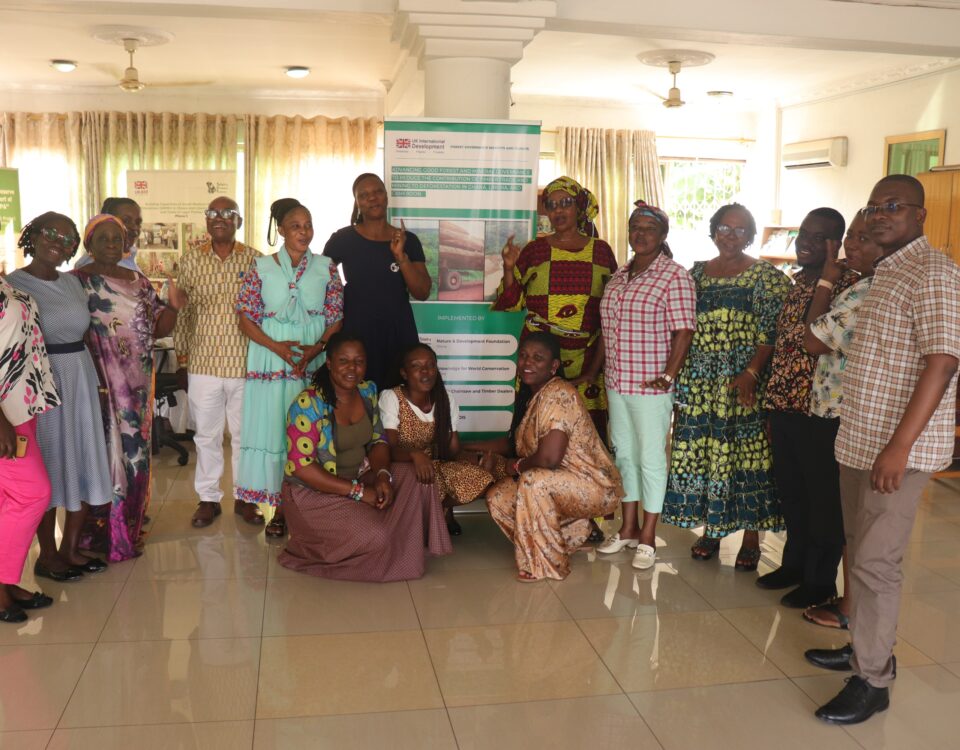
The workshop brought together more than 40 executives and representatives from farmer cooperatives, plantation development associations, and forest-based producer groups across Ghana’s forest zones. Participants included a diverse mix of youth and women leaders from organizations such as Private Afforestation Developers Organization (PADO), Women in Timber Ghana Association (WiTG), Asante Akyem Cocoa Farmers Cooperative, AgriBeyond Cooperative, Baakoye Cocoa Cooperative, Kokoopa Cocoa Cooperative, Nyamebekyere Cocoa Cooperative, Emmanuel Women Cocoa Cooperative, Kwawkrom Cocoa Cooperative, Asawinso A Cocoa Cooperative, Peace & Love Cocoa Cooperative, Somfa Cocoa Cooperative, Wassa East District Cocoa Cooperative & Marketing Union, Ghana Federation of Forest and Farm Producers (GhaFFaP), and Offinso Fine Flavour. Their goal was simple: to better understand forest tenure rights, responsibilities, and benefit-sharing opportunities.
At the center of the workshop were two newly developed simplified guidebooks: Understanding Forest Tenure and Benefit Rights in Ghana and Roles and Responsibilities of Forest and Farm Producer Organisations (FFPOs) and Forest Fringe Communities (FFCs) in Ghana. Written in simple language and supported with illustrations, the guidebooks help farmers and community members understand land and tree ownership, Social Responsibility Agreements (SRAs), benefit-sharing arrangements, and the responsibilities of communities, producer organizations, traditional authorities, and private companies. Through four interactive learning sessions and open discussions, participants explored practical issues such as tree registration, compensation for farm damage, community participation in forest management, and how farmers can secure their rights.
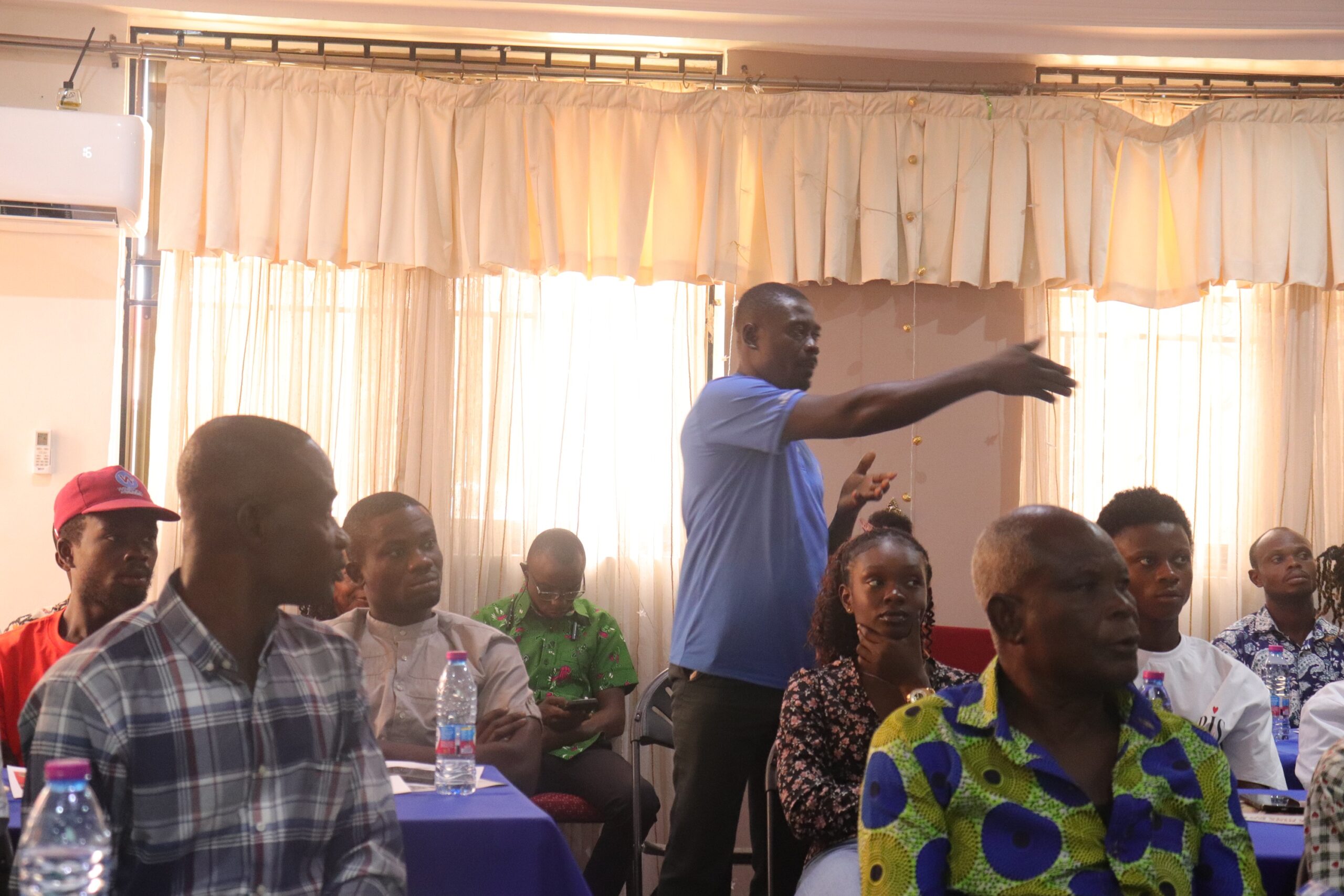
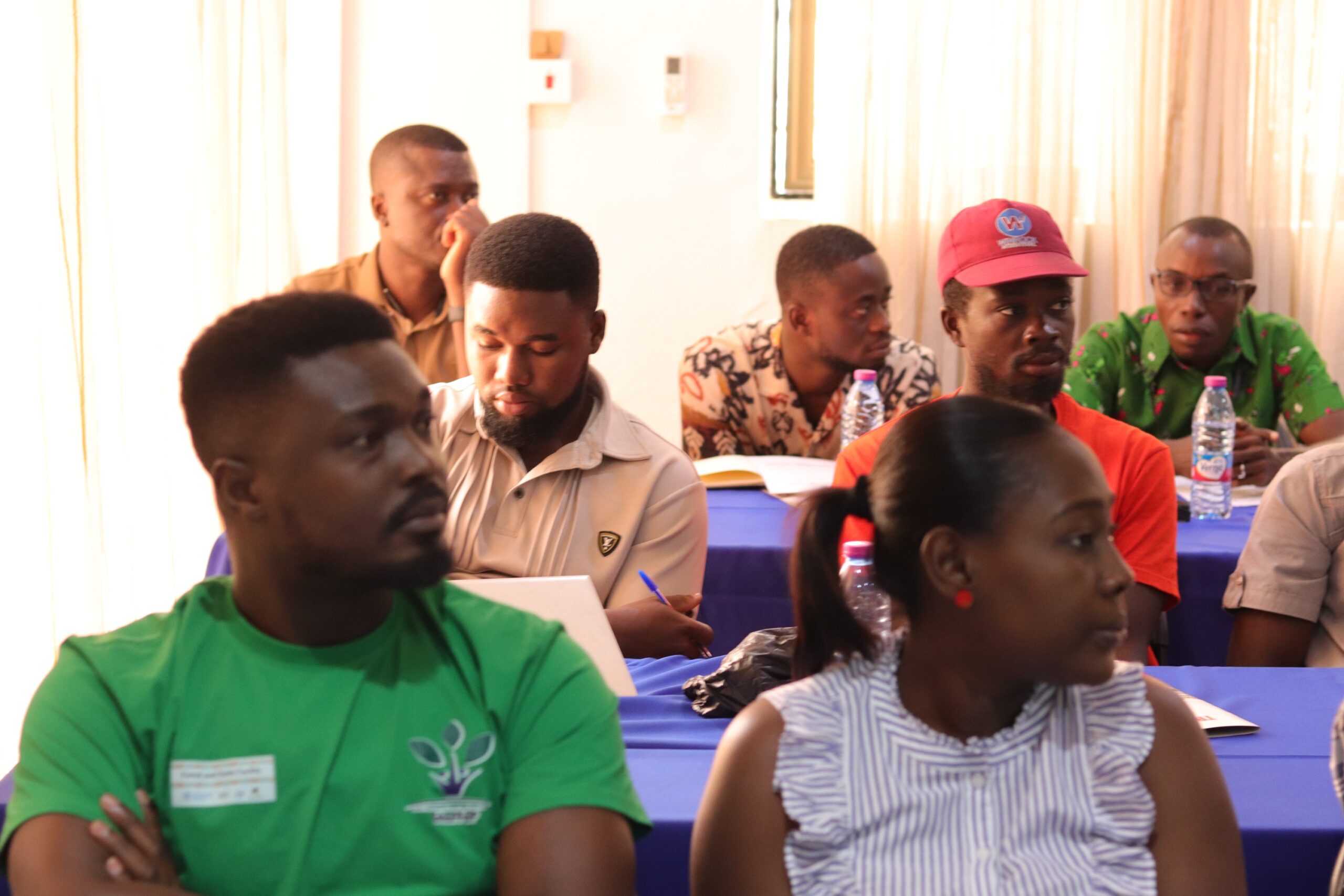
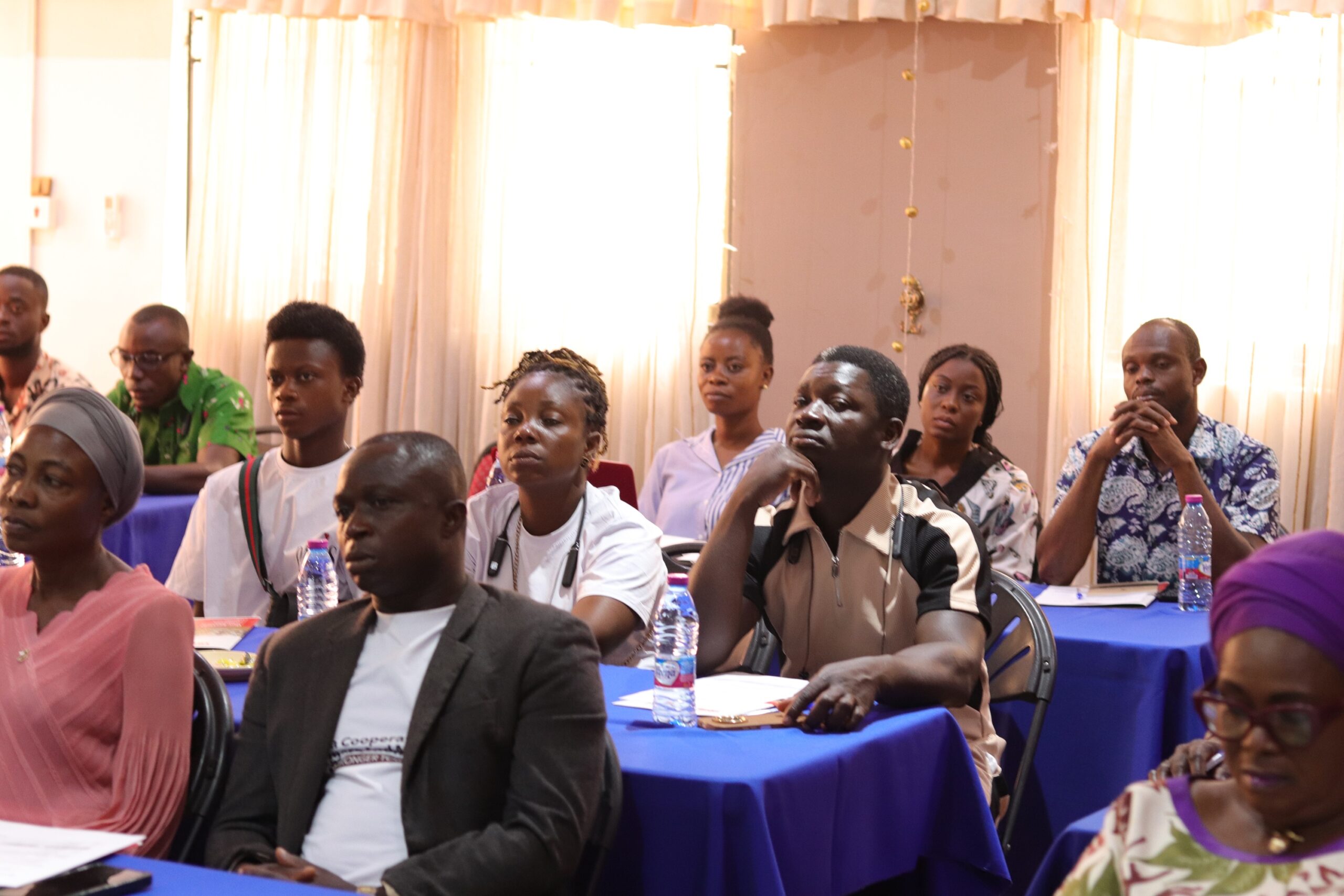
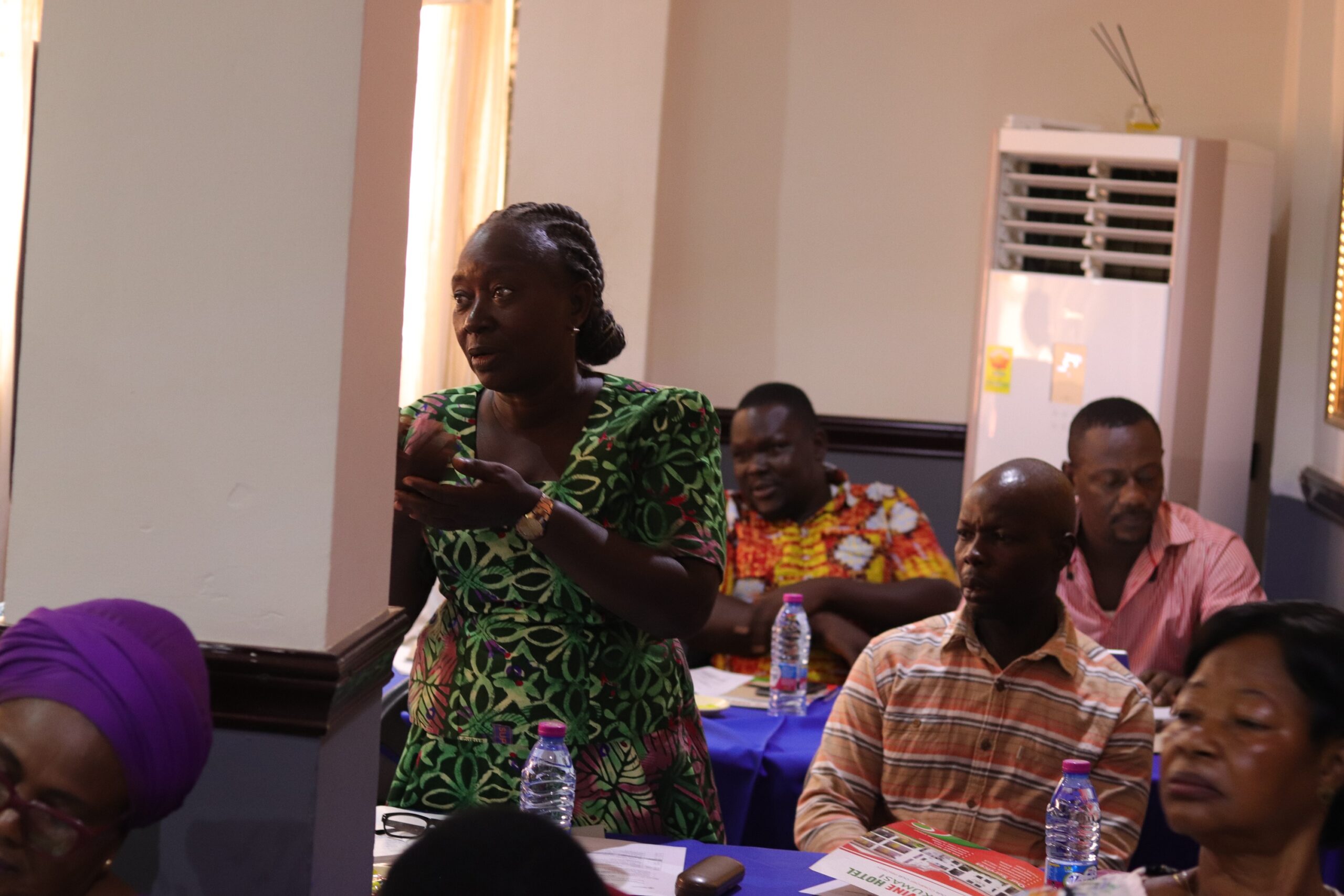
Participants described the guidebooks as clear, practical, and readily useful. For many, the workshop answered long-standing questions about forest governance. “As a cocoa farmer, I always wondered why some trees on my farm did not belong to me,” said Madam Alice Oforiwaa, a member of Nyamebekyere Farmers Cocoa Cooperative. “Now I understand the difference between naturally growing trees and the ones I plant. I will register the trees I plant and explain this to the women in my cooperative.”
The training also helped private sector actors better understand their responsibilities. Madam Faustina Kusi, a plantation developer attending the workshop, noted: “These guidebooks make it clear that investment must go hand in hand with respect for communities and agreements like Social Responsibility Agreements. It helps everyone work with transparency.” Community leaders also saw the value of the knowledge shared. Hon. Musa Abraham, the Assembly man of Gyato, a forest fringe community, reflected: “When communities understand both their rights and their responsibilities, it reduces conflict. We can protect the forest and also make sure our people benefit fairly.”
Importantly, this training will generate a multiplier effect across farmer networks in fringe communities. Participants committed to sharing the knowledge gained with their cooperative members and the wider community of farmers and forest fringe residents. With simplified guidebooks now in their hands, they are better equipped to support fair negotiations, improved record keeping, responsible forest management, and stronger community participation in forest governance.