Progress in digital forest governance and institutional strengthening marks the second quarter of Year Two of a regional initiative to curb deforestation linked to timber trade and mining.
Knowledge for World Conservation (KWC) has recorded progress in strengthening forest governance and promoting women’s participation in Ghana’s timber sector during the second quarter of Year Two of the project, Advancing Good Forest and Mineral Governance to Reduce the Contribution of Timber Trade and Mining to Deforestation in Ghana, Liberia, and Cameroon.
Funded by the Foreign, Commonwealth & Development Office (FCDO) through the Forest Governance, Markets and Climate (FGMC) Programme under FGMC Phase II, the project is being implemented across Ghana, Liberia and Cameroon by a four-member consortium led by the Nature and Development Foundation (NDF), with KWC serving as a key implementing partner in Ghana.
Digital innovation to strengthen timber traceability
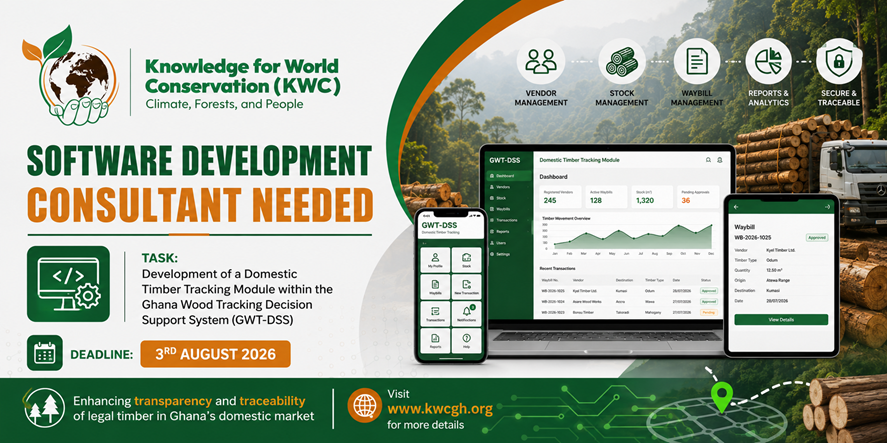
A major milestone during the quarter was the successful selection and contracting of an IT software developer to enhance Ghana’s existing Domestic Wood Tracking System (DWTS) and integrate it as a module within the broader Ghana Wood Tracking and Decision Support System (GWT-DSS).
To guide the process, KWC convened an inception and system requirements meeting in Accra, bringing together the software development team and a multi-stakeholder Steering Committee comprising representatives from KWC, the Forestry Commission (FC) and industry. The meeting established the module’s scope, expected features and functionalities, technical requirements, design considerations and implementation timelines.
The inception report, setting out the framework for the consultancy, has been finalized, and software development is underway. Once completed, the enhanced module is expected to contribute to more effective domestic timber tracking and support efforts to improve transparency, accountability and forest governance in Ghana.
Women in Timber Ghana Association (WiTG) strengthen strategic direction
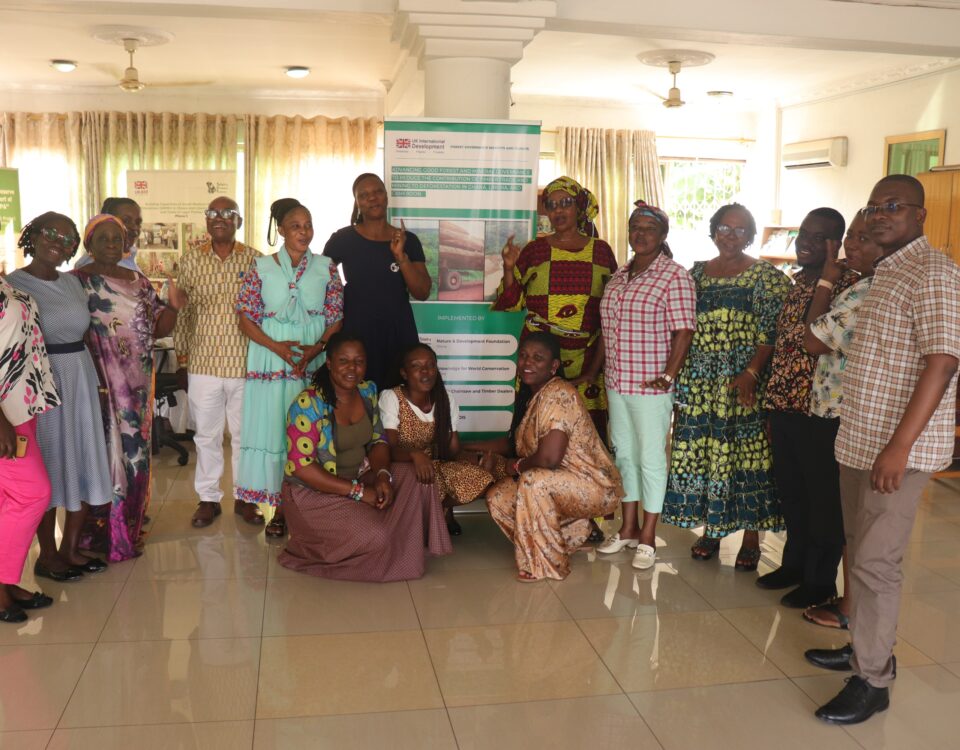
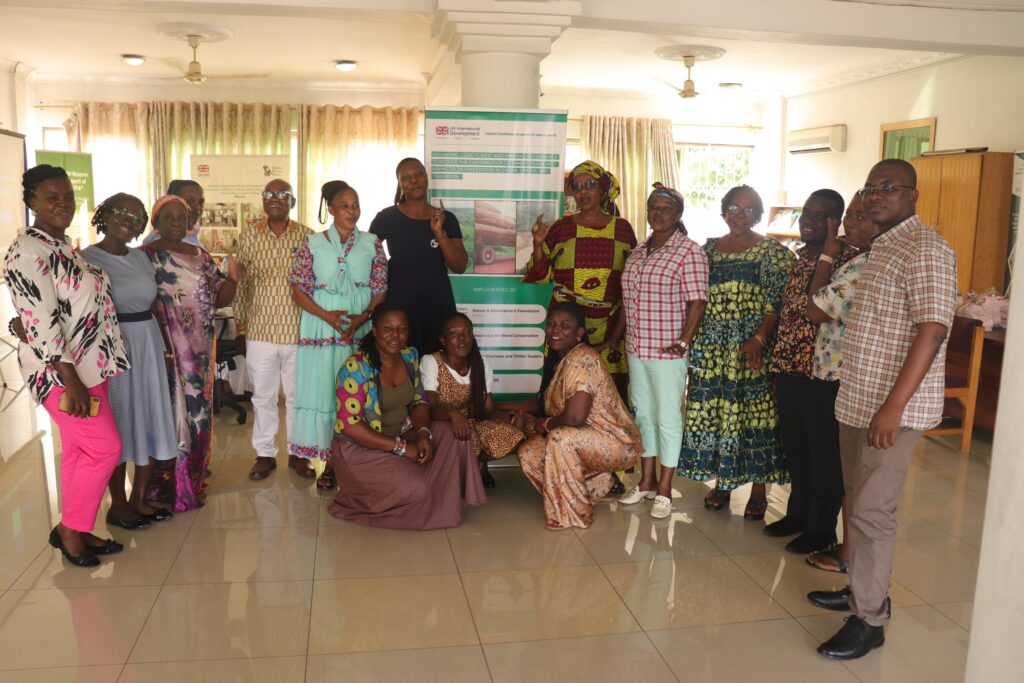
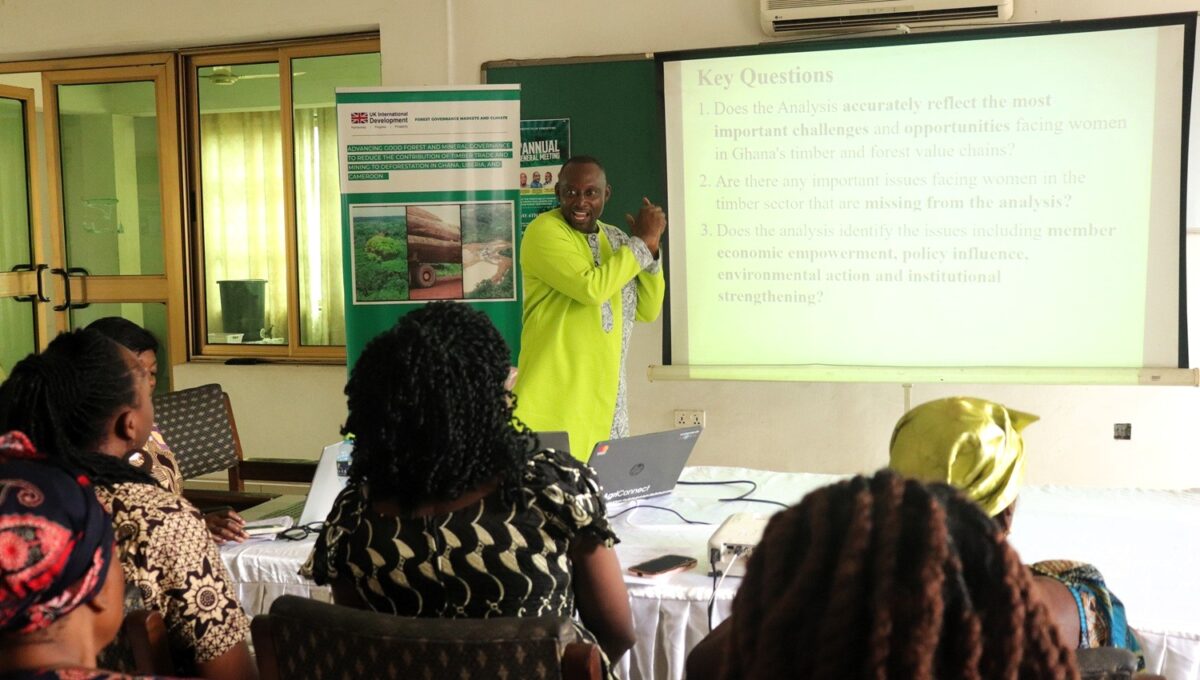
KWC also organized an in-person validation workshop for the Women in Timber Ghana Association (WiTG) Five-Year Strategic Plan, facilitated by the consultant responsible for its development.
The workshop brought stakeholders together to review the draft plan and ensure that it reflects the Association’s priorities, aspirations and long-term development goals. Participants formally validated the document, subject to the incorporation of revisions arising from the discussions.
Covering the 2027–2031 period, the Strategic Plan will provide a roadmap for WiTG’s institutional development, programme delivery and organisational sustainability. It is also expected to strengthen services to members and advance women’s contributions to responsible timber trade, inclusive forest governance, enterprise development and environmental conservation.
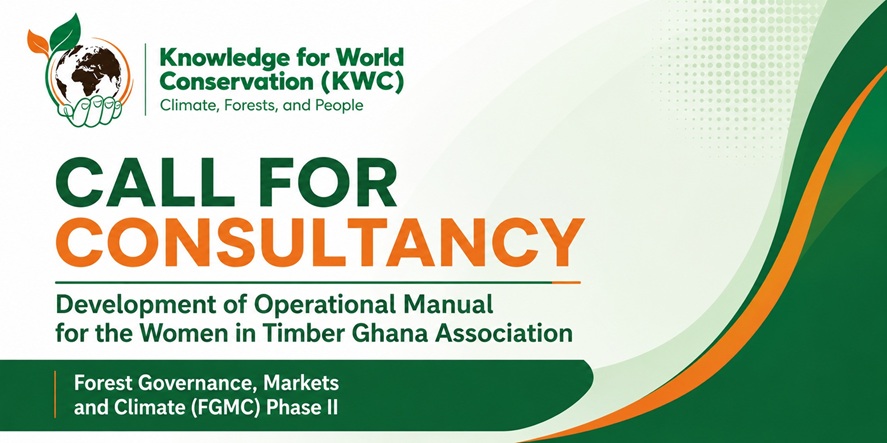
Complementing this milestone, KWC has finalized WiTG’s Operational Manual following an internal review and the incorporation of feedback from the organisation. The manual establishes standardized administrative and operational procedures, clarifies roles and responsibilities, and introduces internal controls to promote efficient, transparent and accountable management.
KWC will next begin regular orientation sessions for the WiTG Secretariat and members of the National Executive Council to support effective implementation of the manual.
Looking ahead
In the next quarter of the FGMC Phase II project, KWC will focus on completing the DWTS module within the GWT-DSS framework, conducting regular technical reviews and user acceptance testing, and preparing the system for finalization and official launch in collaboration with the Forestry Commission of Ghana.
These activities complement each other towards establishing a stronger timber traceability, more accountable forest governance and a more resilient, inclusive timber sector in Ghana.