WiTG advances strategic planning and operational readiness with support from KWC under the FGMC Phase II Project
Building a vibrant timber trade association requires more than a strong membership base. It requires a clear vision, effective governance structures and practical systems that enable an organisation to manage its affairs, deliver programmes and respond to the changing needs of its members.
This understanding shaped two recent institutional strengthening engagements organised by Knowledge for World Conservation (KWC) for the Women in Timber Ghana Association (WiTG) under the Forest Governance, Markets and Climate (FGMC) Phase II Programme.
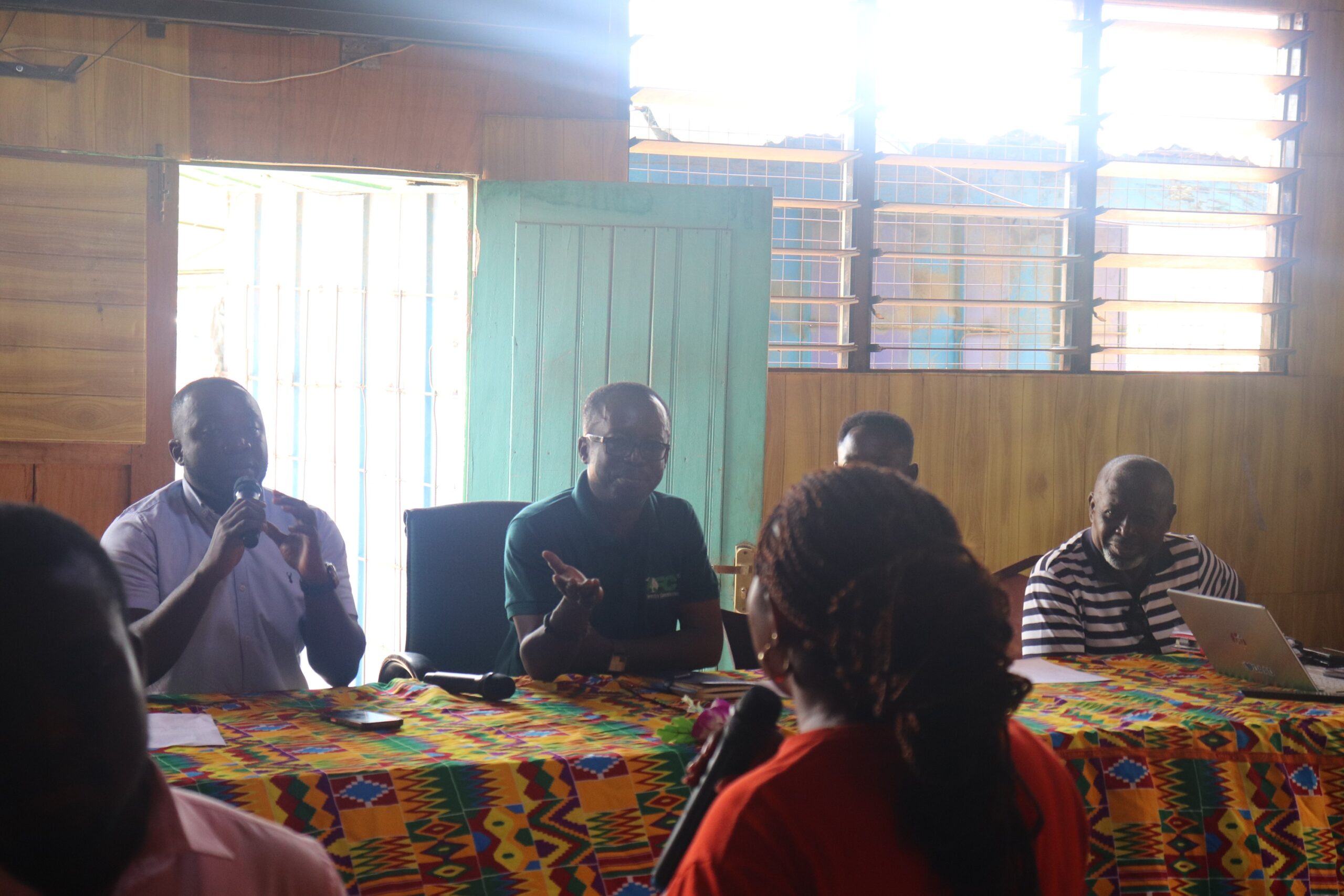
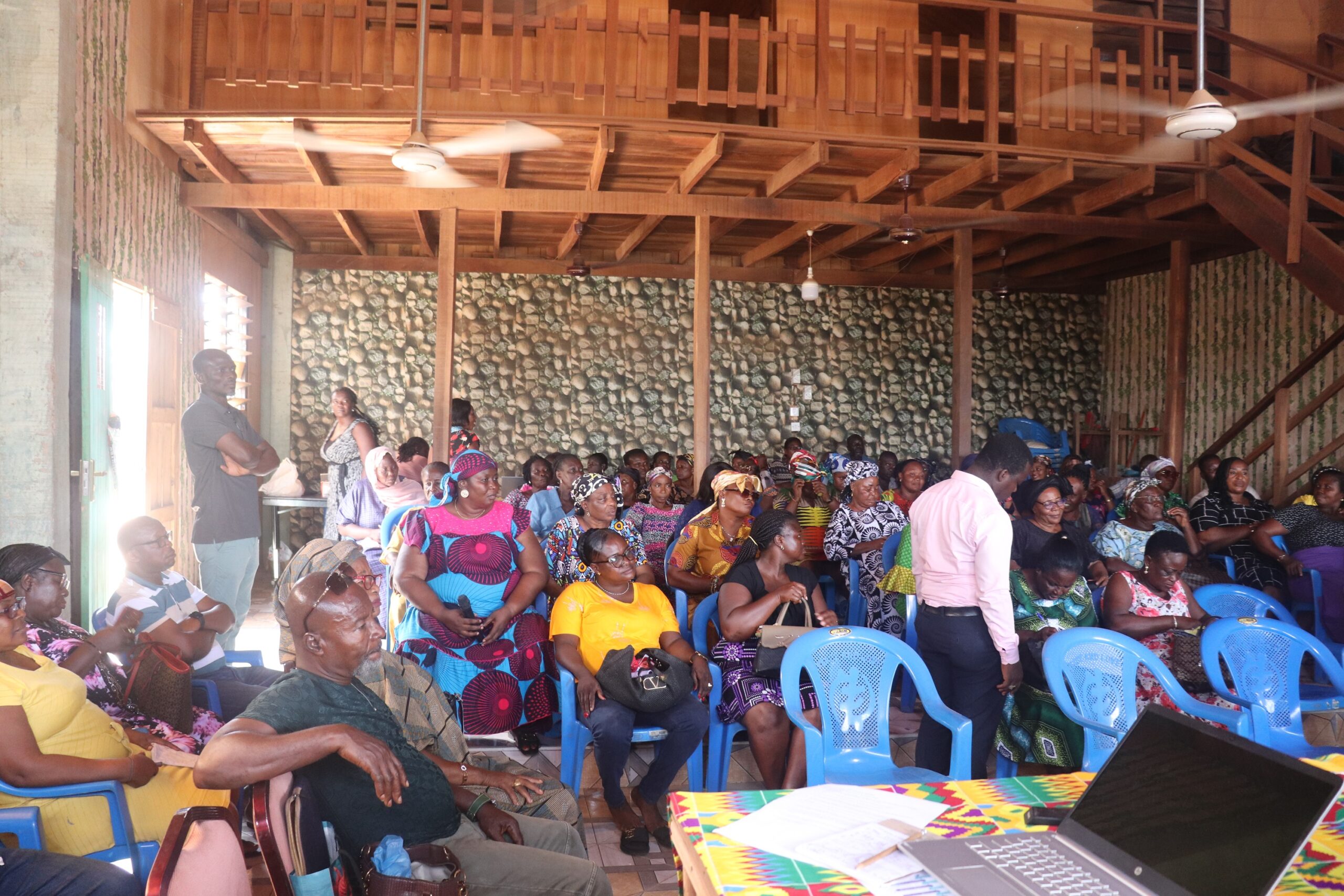
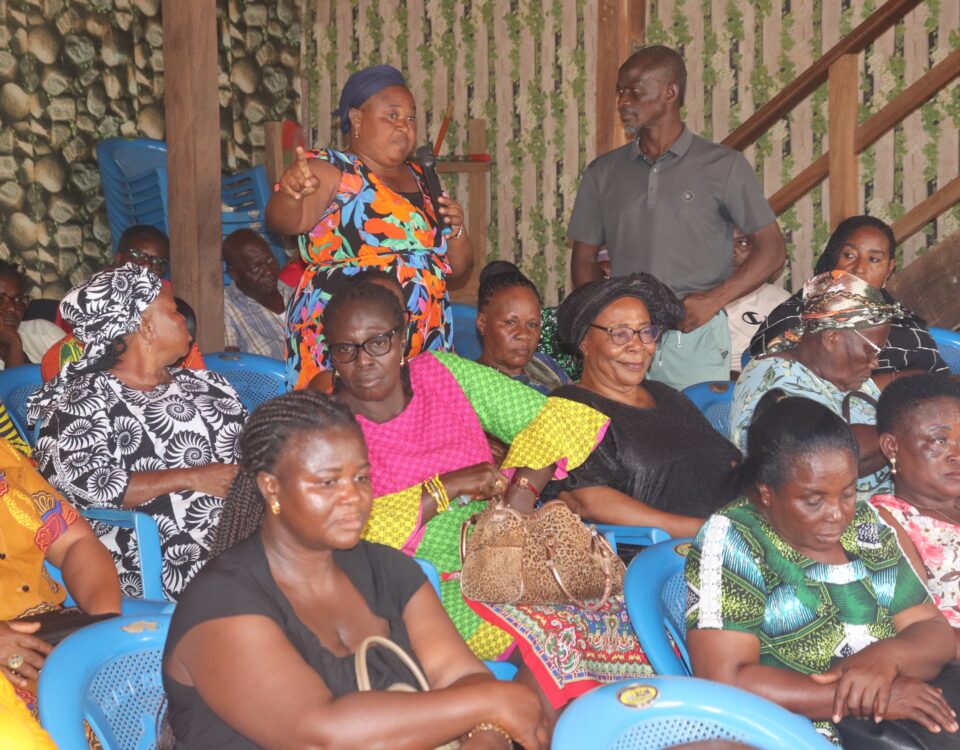
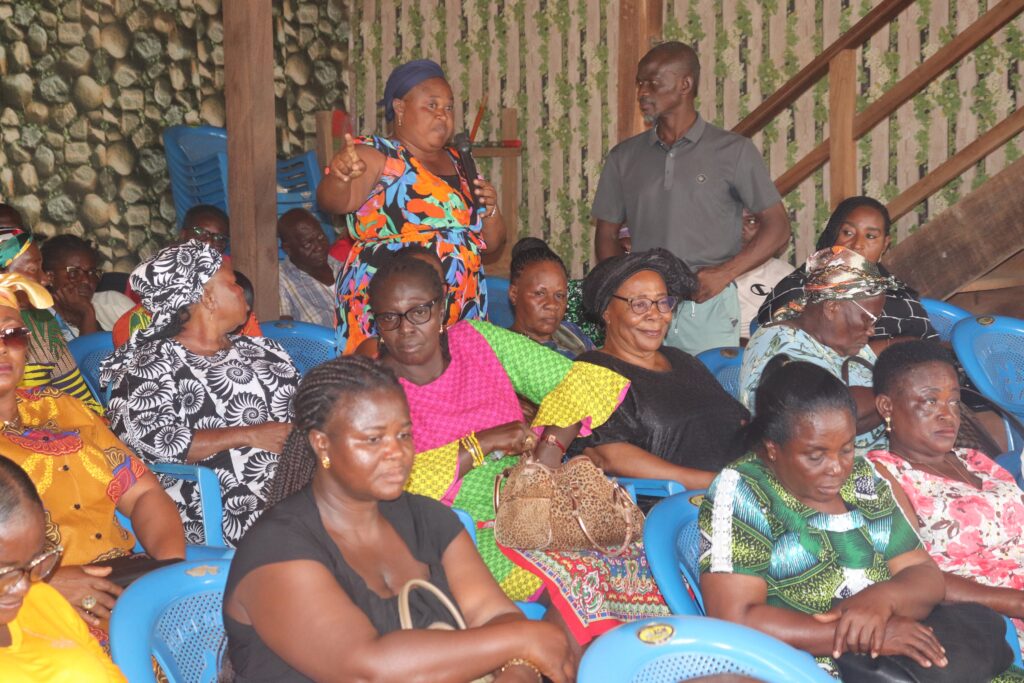
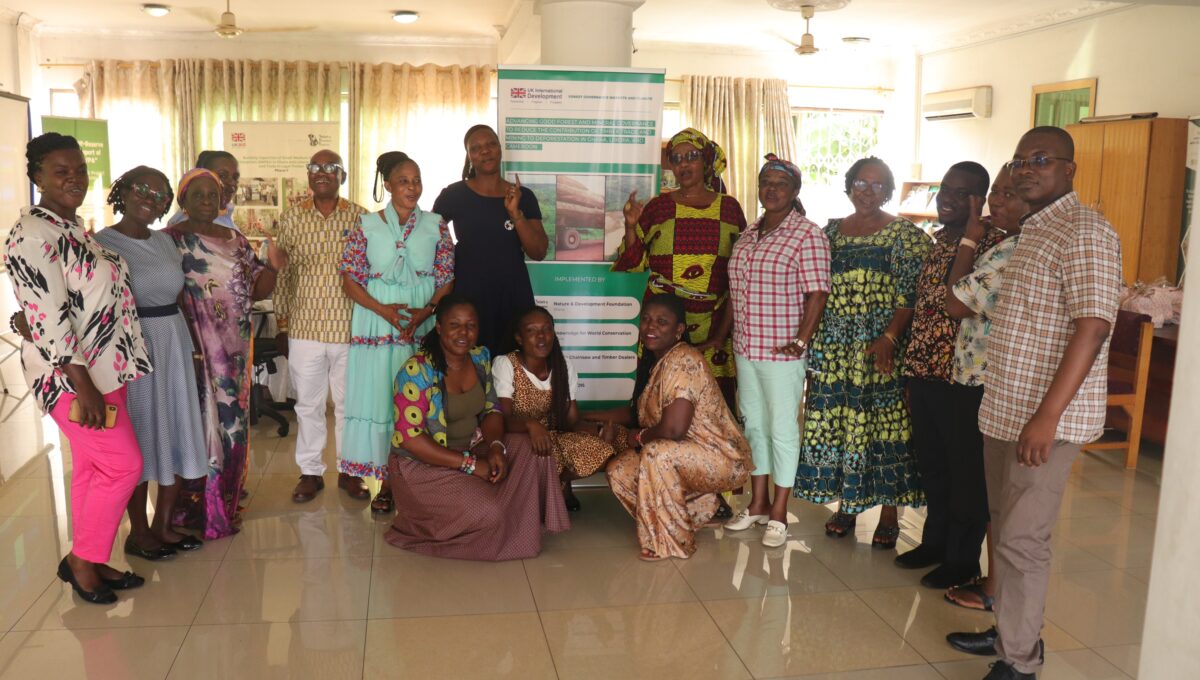
The engagements, comprising a Strategic Plan Review Meeting and an Operational Manual Orientation Workshop, brought together members of WiTG’s National Executive Council (NEC), zonal and cluster leaders, and Secretariat staff at the True Vine Hotel in Kumasi. The activities formed part of KWC’s continued support to strengthen WiTG’s governance systems, strategic direction and organisational capacity as a national association representing women across Ghana’s timber value chain.
Building systems for an effective Association management
Alongside strategic planning, KWC also facilitated a one-day orientation workshop on WiTG’s newly developed Operational Manual, providing the first opportunity for the Association’s leadership and Secretariat to collectively review the procedures established to guide its day-to-day operations.
Since its establishment in 2022, WiTG has grown from a membership-based association into an emerging institution implementing capacity-building programmes, supporting women entrepreneurs, engaging partners and contributing to forest restoration and sustainable timber initiatives. This growth has increased the need for stronger internal systems to support transparent management, effective decision-making and accountable programme delivery.
The Operational Manual was therefore developed to complement WiTG’s Constitution and Strategic Plan by providing practical guidance on governance, administration, financial management, membership services, programme implementation, partnership management, risk management and reporting procedures.
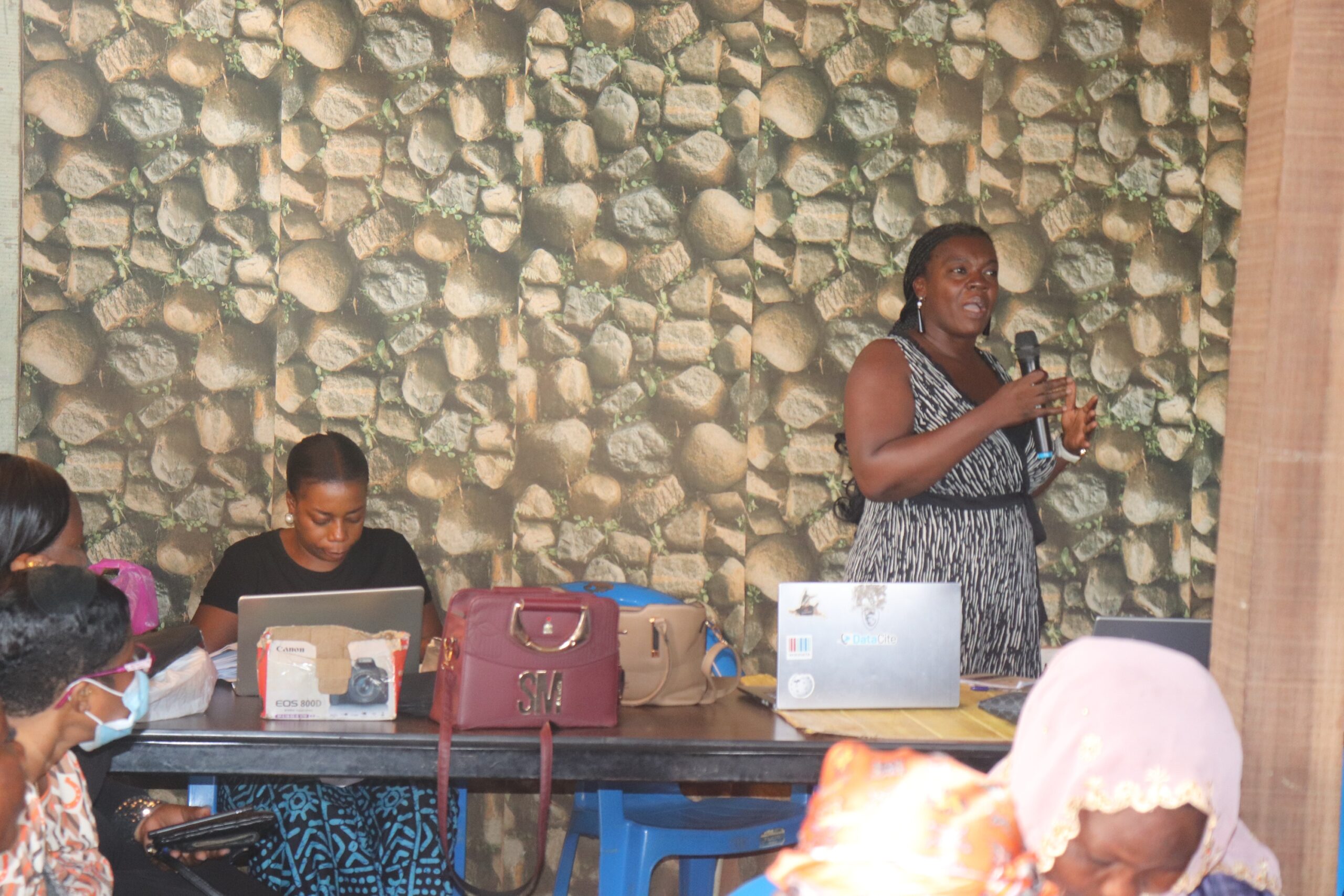
During the orientation workshop, participants explored how the Manual defines roles and responsibilities across the Association’s governance structures, including the General Assembly, National Executive Council and Secretariat. Through presentations, practical examples, discussions and exercises, participants reflected on existing practices within WiTG and identified how the new procedures could strengthen efficiency, accountability and coordination.
The workshop emphasised that the Operational Manual is not simply a reference document, but a practical management tool that should guide everyday decisions, improve institutional consistency and support the sustainable growth of the Association.
By the close of the engagement, WiTG leadership and Secretariat staff had developed a shared understanding of the systems required to strengthen organisational performance and reaffirmed their commitment to implementing the procedures outlined in the Manual.
Reviewing WiTG’s strategic direction for 2027–2031
The Strategic Plan Review Meeting focused on examining WiTG’s draft Five-Year Strategic Plan (2027–2031) before its validation and adoption. Opening remarks were delivered by the Executive Director of KWC, Mr. Gustav Adu, and the President of WiTG, Mrs. Ernestina Banahene, who both highlighted the importance of developing a practical and member-owned strategic framework that reflects the aspirations of women working within Ghana’s timber industry.
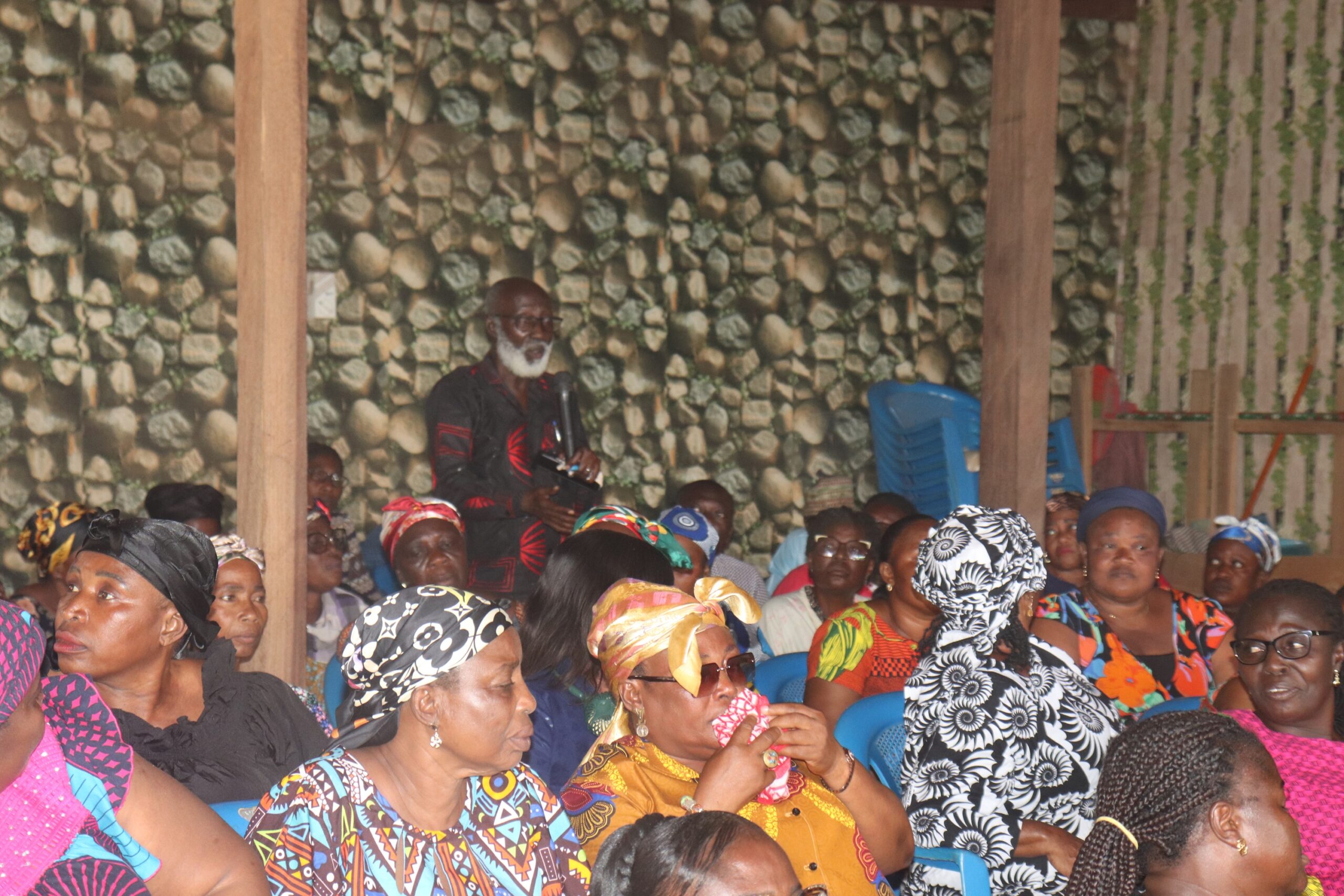
Through a participatory process involving presentations, group discussions and plenary sessions, participants reviewed the Association’s vision, mission, core values and strategic priorities. Discussions centred on ensuring that the proposed plan responds effectively to the opportunities and challenges facing women entrepreneurs within the timber sector.
Participants critically examined the six strategic pillars of the draft plan, which focus on strengthening women’s leadership and participation in forest governance, promoting legal and responsible timber trade, supporting enterprise development and market access, building technical and digital capacities, advancing climate and biodiversity initiatives, and strengthening the institutional sustainability of WiTG.
To facilitate deeper engagement, participants worked in groups to review proposed interventions, activities, indicators and implementation arrangements. The recommendations generated were presented and discussed during a plenary session, allowing participants to build consensus on key revisions needed to strengthen the document.
The review process reinforced ownership of the Strategic Plan and ensured that the final document reflects WiTG’s priorities, operational realities and ambitions for the next five years. The agreed recommendations will be incorporated into the draft plan ahead of validation and formal adoption.
Strengthening institutions for sustainable forest governance
The development of WiTG’s Strategic Plan and Operational Manual marks an important milestone in the Association’s journey towards becoming a stronger and more sustainable institution within Ghana’s timber sector.
While the Strategic Plan provides the roadmap for WiTG’s future growth, the Operational Manual provides the systems needed to translate that vision into action. Together, these tools will support improved governance, stronger partnerships, enhanced accountability and more effective delivery of services to women operating across the timber value chain.
These activities were implemented under the “Advancing Good Forest and Mineral Governance to Reduce the Contribution of Timber Trade and Mining to Deforestation in Ghana, Liberia, and Cameroon” Project, funded by the United Kingdom’s FCDO Services through the Forest Governance, Markets and Climate (FGMC) Programme.
Through continued collaboration and institutional strengthening, partners are supporting stronger organisations, inclusive participation and more sustainable approaches to forest governance in Ghana and beyond.